Warning: Trying to access array offset on value of type bool in /home3/rainonro/public_html/wp-content/plugins/wp-word-count/public/class-wpwc-public.php on line 123
When it comes to thinking about spirituality and social action I find myself drawn to a pair of maps that seem to point to the same single, most powerful step toward growth.


Stages of Faith
When I was in seminary, I was introduced to Dr. James Fowler’s theories of the Stages of Faith (1981). His thinking is based on psychological development models (Piaget, Kohlberg, and Erikson in particular) that suggest people’s experience of faith grows through a stepping-stone process. Fowler argues that people can move through up to 6 stages of faith and suggests that most of us spend our lives in stages 3-5 with some remaining in stage 2 and very few moving into stage 6. The stages are:
- Intuitive-Projective – primarily experienced by preschool children where ideas of God or faith are gleaned from those around them, and fantasy and reality often get muddled together
- Mythic-Literal – typically in elementary school children begin to understand the world more logically, but also tend to believe stories of faith in very literal ways
- Synthetic-Conventional – often exhibited as teens, growing social circles prompt a longing for a bounded belief system with established authorities. Young people can experience a difficulty of seeing beyond one’s insider perspective.
- Individuative-Reflective – young adults begin to recognize the faith “boxes” they have put themselves in, begin to critically examine them, discover other traditions, and can become disillusioned with their former faith. (Fowler notes interestingly, that those in stage 3 often criticize those in stage 4 as “backsliders” when they are really moving forward in their faith development)
- Conjunctive Faith – during mid-life some people begin to embrace the paradoxes of life and return to sacred stories without getting stuck in their former insider theological boxes
- Universalizing Faith – rarely, people grow to live their lives with few worries or doubts and with a deep commitment to love and justice toward others
I have mixed feelings about Fowler’s Stages of Faith map. On the one hand it is really nice to have a sense of a roadmap for faith. It allows us to acknowledge that faith and belief systems change and provides some direction in how we might be growing. On the other hand, these stages imply some clearly definable steps that all people move through in a linear process. Perhaps most seductively, stages imply a ranking that tempts us to compare ourselves to others using a little mental game of “So…where are you in your stage of faith? I’m pretty sure I just passed into the Conjunctive Phase” (Oh, what…would you like a little certificate for that?!)
Faith is not a thing that we “find” and “hold onto,” it is a dynamic lived experience that changes in response to the people and world around us.
Criticisms aside, one of the really valuable aspects of this model is how it highlights several transformational shifts of faith. There are things that happen through our faith experience that help move us from one place to another. Faith is not a thing that we “find” and “hold onto,” it is a dynamic lived experience that changes in response to the people and world around us. Hold that thought for a minute…we’ll come back to it in a bit.
The Active Citizen Continuum
During a Social Justice class I teach, we study how social movements work and how people become involved in them. There are lots of reasons that people do and do not get involved in social change campaigns. One of the more interesting maps I encountered as part of this class is the Active Citizen Continuum that proposes four stages of movement from less to more engagement in democracy and civic affairs:
- Member – someone who is part of a society, going about their daily business, but not really concerned about their role in social problems
- Volunteer – someone who is well intentioned and willing to help, but not educated about or very concerned with larger social issues
- Conscientious Citizen – someone who is beginning to ask the deeper questions. For instance, they move from asking “how can we take care of these hungry people?” to asking “why are all of these people hungry in the first place?!”
- Active Citizen – someone for whom community engagement becomes an essential part of their values and life choices. Contributing to community becomes part of what they do as part of their identity and work.
Once again, this model has its advantages and disadvantages. Like Fowler’s Stages, it implies discrete steps that move in a linear direction. The problem of course, is that not everyone moves from one clear step to another. Also, the implication that being an Active Citizen is better than being a volunteer overlooks the vital role played by those who give many hours of service to care for others in our community.
While volunteering is important, had all of society been satisfied with volunteering, child-labor laws would have never been enacted. We’d have lots of people caring for young kids, but instead of going to school 8 year-olds would still be working in coal mines and shucking oysters.
However, there are two aspects of this model that are really important. First is that it is crucial to differentiate between these different ways of connecting with civic life. While Volunteering is important, the shift to Conscientious and Active Citizen is what sets the stage for significant social change. Had all of society been satisfied with being Volunteers, child-labor laws would have never been enacted. We might have lots of people helping to take care of kids, but instead of going to school, 8 year-olds would still be working in coal mines and shucking oysters. Second, there are experiences that we have in their lives that move us from one stage to the next. People are not destined to remain in one stage of the Active Citizen Continuum. We Make choices that move us across these various positions.
So what?
Why is it helpful to think about stages of faith and civic engagement? Although these two maps attempt to capture two very different life experiences (spirituality and civic engagement) I was struck by one essential similarity.
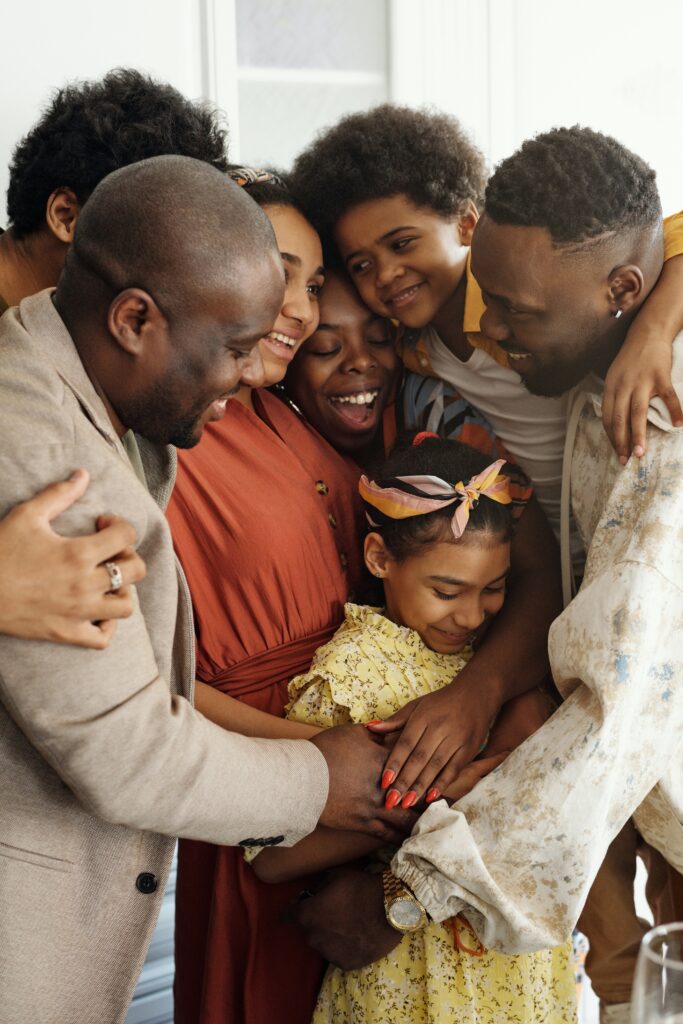
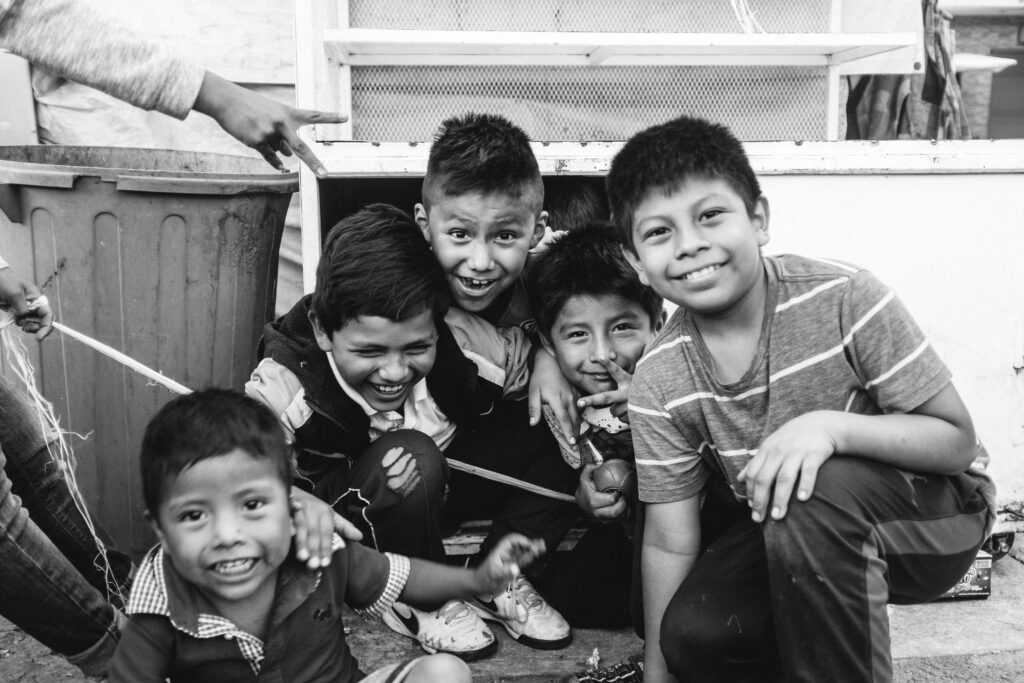
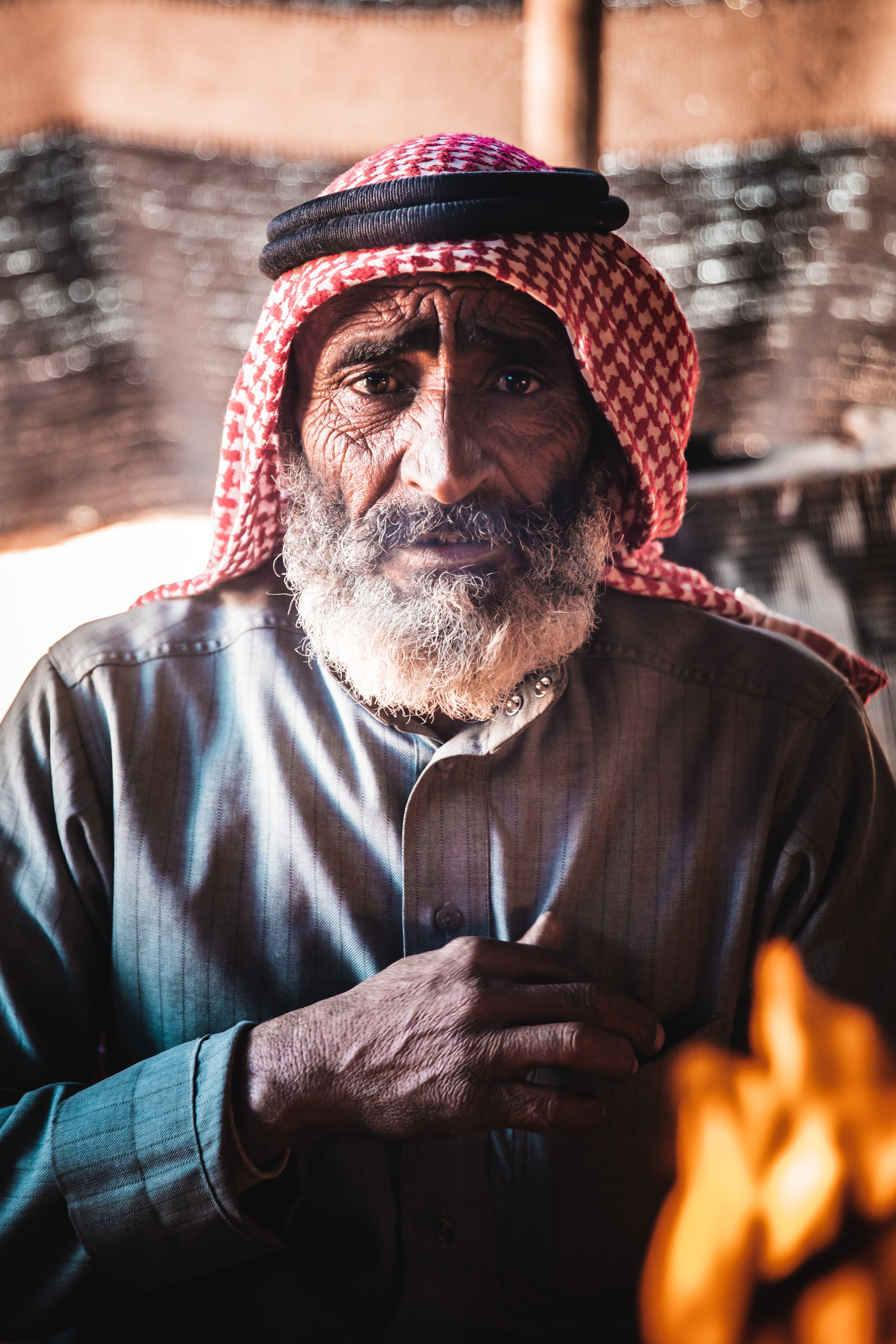
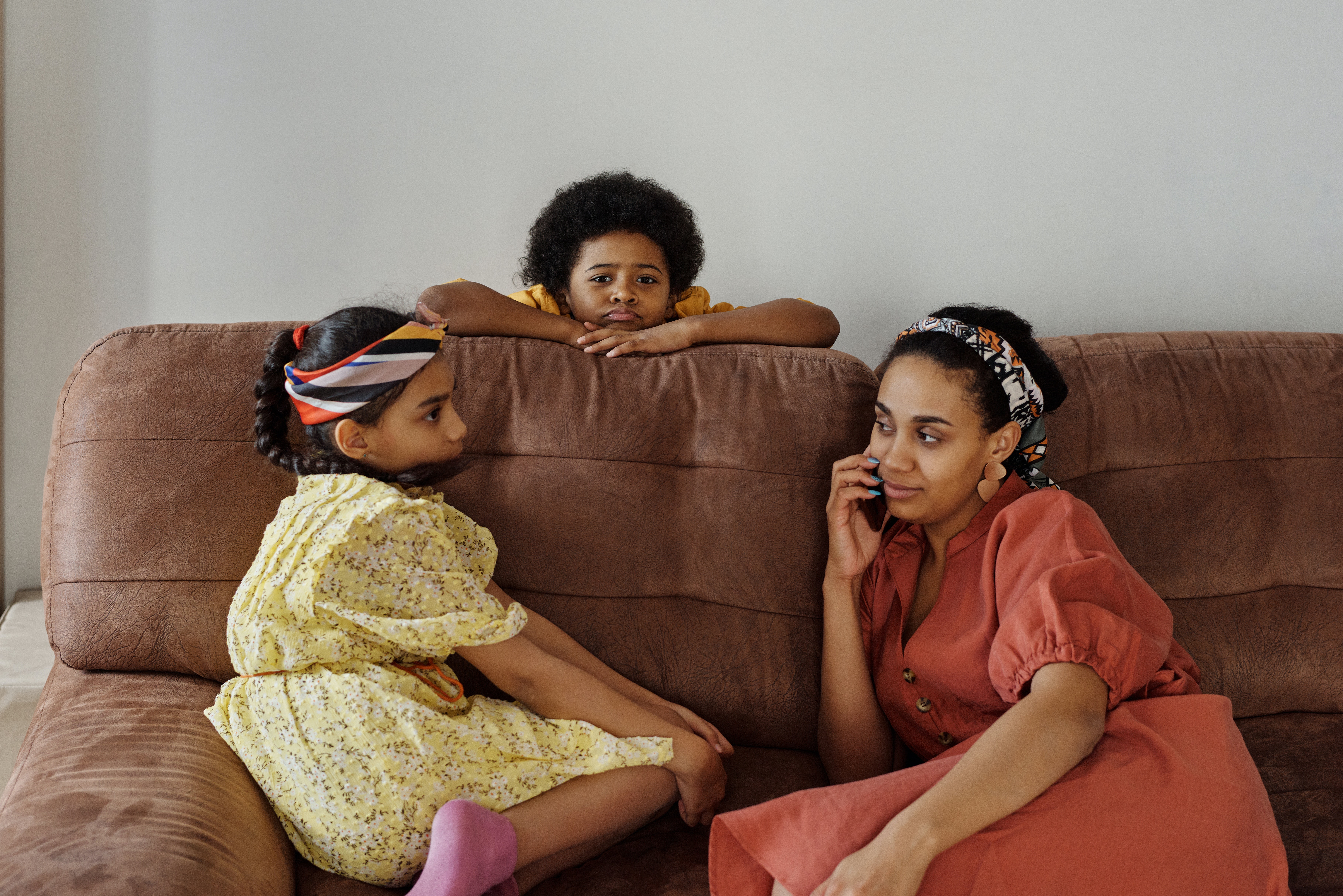
Which finally gets us to this “Most Powerful Step” – the necessity of reaching beyond our boxes and outside of our circles. Notice how connecting with those who are different from us is the linchpin in both sets of stages? Expanding our circles is what challenges us to grow beyond our inherited and siloed faith perspectives and draws us into the hard work of claiming our own authentic faith perspectives. This simply cannot happen without encountering people from diverse backgrounds.
Likewise, connecting with people outside of our traditional circles is what moves us through the stages of the Active Citizenship Continuum. It nudges us from volunteering to a deeper commitment to make real change in the world. When we connect with others beyond our established circles, we begin to genuinely care about their struggles, and find it hard to ignore the call to join those working to make the world a better place.
Both of these maps illuminate the same essential step – reaching out is essential for growth. Learning about other’s joy, struggle, wisdom, pain and courage is the key step that draws us beyond our faith silos and fears of civic engagement.
Now What?
Okay..so now what do we do? “Reaching out” sounds simple, but if we’re not accustomed to doing it, it can be hard to know where to begin. Here are 5 possible steps in the journey to changing the world and liberating ourselves:
Take the other to lunch – I have mentioned Elizabeth Lesser’s TED talk in a previous posting, but it’s just too good to not mention again. Lesser includes a list of “rules” and some example questions you can use to initiate a conversation with someone that may be very different from you. I have adapted this exercise for the Conflict Training class I teach. If you would like the exercise, questions, and worksheet I use in class, let me know. I’m happy to share.
Conduct some Informational Interviews – Those in the job hunting mode will recognize Informational Interviews as the work of identifying people who are doing jobs you are interested in, and then reaching out to them to find out about their field, what a day-in-the-life of this career looks like, etc., etc. Adapting this job hunting strategy to reaching out, there are a whole variety of ways you could use this to push beyond your daily world:
- You could conduct interviews with justice leaders, community members, or the local mayor.
- You could reach out to former HS or college classmates to find out about their experience or sense of the campus’ perspective toward people of different races or gender orientations in your school.
- You could interview grandparents to learn about their experience of faith or justice from generations back.
- You could set up a round-robin office interview project to learn about those you work with but have never taken the time to get to know.
I have done these sorts of interview projects with students over the years and have lists of questions I’d be happy to share. Again, just let me know.
Learning about other’s joy, struggle, wisdom, pain and courage is the key step that draws us beyond our faith silos and fears of civic engagement
Go on a cross-cultural experience – My most transformative experiences have come as part of cross-cultural adventures. My students consistently report that traveling to different communities, cities, regions, or countries and having genuine opportunities to talk with people there is one of their most powerful university experiences. Check out Friendship Force International as a great example of these sorts of opportunities.
Connect friendship building to your travel – For those who regularly travel as part of vacation or business, consider integrating some richer get-to-know-you efforts into your plans. This could range from visiting a museum to seeking out activities that connect you with those who live in the place you are visiting. I remember how powerful it was to stay with Japanese families when visiting Nagasaki or Israeli and Palestinian families when we traveled to Israel and the West Bank. Check out this article for some additional ideas.
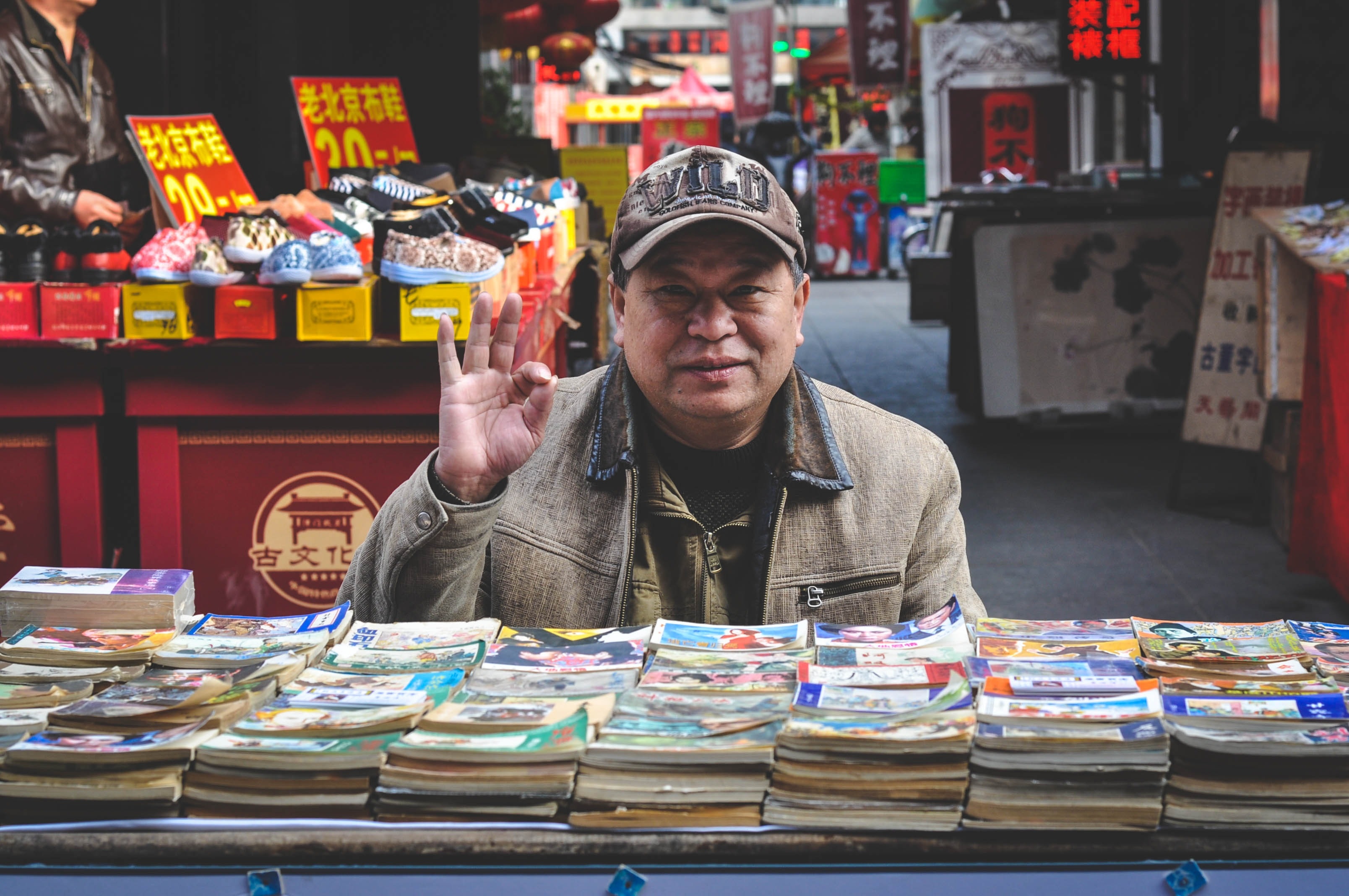
Other Options for Meeting New People – Although people are doing a lot less traveling right now…don’t let that stand in your way. First, you could always read authors from around the world. I find Powell’s “25 Books You Must Read Before You Die” lists are always a good place to start. Additionally, you could hop online and check out a whole set of options for meeting people around the world. As always, you need to be discerning when reaching out to people online. However, there are a variety of apps and websites that facilitate what could become some great connections. Finally, this might be a great time to pick up another language. Look around in your community for native speakers or reach out to your local college or university language department for classes or suggestions. Use this as an opportunity to build your connection with new people and places.
I hope in the months ahead you try out some of these uncomfortably powerful challenges and growing in surprising ways.
rainonrocks.com explores the connection between spirituality and social justice and inspires readers to reach deep and get involved. Matt blogs about spiritual meanderings, social action, and courageous voices who think creating a better world is worth the effort. Contact Matt about speaking or workshop opportunities. See the Services section for more information. Subscribe, share with your friends, and suggest topics or people you’d like to get to know.
]]>