Warning: Trying to access array offset on value of type bool in /home3/rainonro/public_html/wp-content/plugins/wp-word-count/public/class-wpwc-public.php on line 123
For 14 years I was a Mennonite pastor in Kansas and Oregon. As would come as no surprise, leadership roles in any faith tradition allows you into some pretty special spaces. While conducting worship services or leading prayer might the first images that pop to mind, in my experience, most sacred spaces tended to be deeply connected to day-to-day life.
I remember how people looked at me differently when I visited after the birth of a child. The intensity of the moment when I had to call a parent to tell her that her adult daughter had unexpectedly died in her sleep. Or the unique challenge of affirming the 8yr. old who stood up during worship to ask for prayer for her hamsters – she very badly wanted them to have baby hamsters, but felt like they weren’t having enough sex. And sometimes these sorts of moments would all come in the same week.
In the midst of it all this sacredness, I found myself hearing new voices. Though I think I generally come across as a “nice guy,” I do have a few radical bones in my body. Having been a community organizer in SE Chicago for a time, I found myself drawn to peace and justice work. We started hosting peace conferences at the church and I began going to the US Mexico border to learn about immigration issues. I took students to Nagasaki to learn about U.S. militarism. One afternoon in 2001 when I was pushing my kids in strollers during peace marches leading up to the war in Iraq, I sensed a growing interest in how people work together to create social change and advocate for social justice. Something new seemed to be stirring in me.
Sociology, I had learned, was a good place for aspiring radicals and I had heard good things about the graduate program at the University of Oregon. Students had occupied the administration building during the Vietnam war. They sent contingents north for the “Battle in Seattle” which shut down the World Trade Organization meetings in 1999. Eugene was a hotbed for the Earth Liberation Front movement whose radical tactics were used to stop logging of old-growth forests and got many of them convicted on federal domestic terrorism charges. Though I didn’t see myself going quiet that far, I appreciated their courageous dedication.
One of the most interesting program credentials that wooed me to the University of Oregon appeared in 2006 when John Bellamy Foster, a professor in the sociology program and one of the world’s leading Marxist theorists, was listed by David Horowitz as one of 101 most dangerous academics in the country. Despite the book’s numerous inadequacies, the prospect of joining a department with a “dangerous professor” was enough to convince me that I had to take a class with this guy.
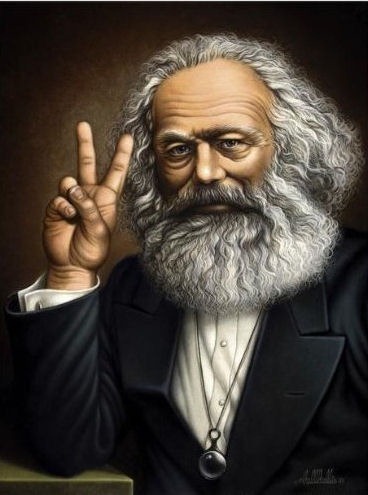
My office ended up being across the hall from John’s and I enjoyed some lengthy conversations with him and seven other doctoral students who took social theory our first year. It was here that I was first introduced to Karl Marx, the German philosopher, economist, sociologist, and revolutionary socialist who is best known for his criticism of capitalism, formulation of communism, and some notorious thoughts about religion that, as a former pastor, I wrestled with quite a bit. One of Marx’s most frequently cited writings about religion was penned in 1844 and reads…
Religion is the sigh of the oppressed creature, the heart of a heartless world, and the soul of soulless conditions. It is the opium of the people. The abolition of religion as the illusory happiness of the people is the demand for their real happiness.
Karl Marx. 1844. A contribution to the critique of Hegel’s Philosophy of right
Although I am only a novice interpreter, I understand Marx’s criticism of religion as based on his hope for a just and equitable world and his observation that religion is all too often the opiate that whisks people away into spiritual never-never-land; seeking a happy life after death as a way to ignore the hard realities of injustice that people face every day. Therefore, concludes Marx, religion must be abolished because it is an illusion that interferes with people’s true liberation and happiness.
People of faith may not like to hear what he has to say, but sometimes life-changing discoveries come when we allow ourselves to hear what we might first despise. Religion…an opiate? The implication is that faith, like heroin or cocaine, dulls the senses, disconnects us from the realities of life, floats us away into the sky leaving us unable to really see, love, serve, or work for justice in our homes, communities, or around the world.


I know people who use religion as a drug to escape the hard work of facing our fears, tending to troubled relationships, or tackling the world’s most complex problems. I am regularly embarrassed by those theological perspectives that seem more interested in distracting people or downplaying the urgency of domestic violence, racial injustice, or income inequality. No wonder the fastest growing segment of religious affiliation in the US is “non-affiliated.”
Now, I do have some issues with Marx’s criticism of religion. First, it seems that he assumes that an elimination of religion will necessarily leave behind a better world. But, it does not take a PhD in sociology to figure out that without religion, most societies still offer plenty of other political and ideological distractions. Second, it sometimes strikes non-Marxist outsiders as ironic how many Marxists treat Marxism with an almost religious fervor. Finally, Marx seems to argue that all forms of religion are necessarily hallucinogenic. That there is no such thing as a liberational or justice oriented perspective of faith. As a former pastor studying Marxism, I found myself longing for a different way to frame Marx’s criticism of faith.
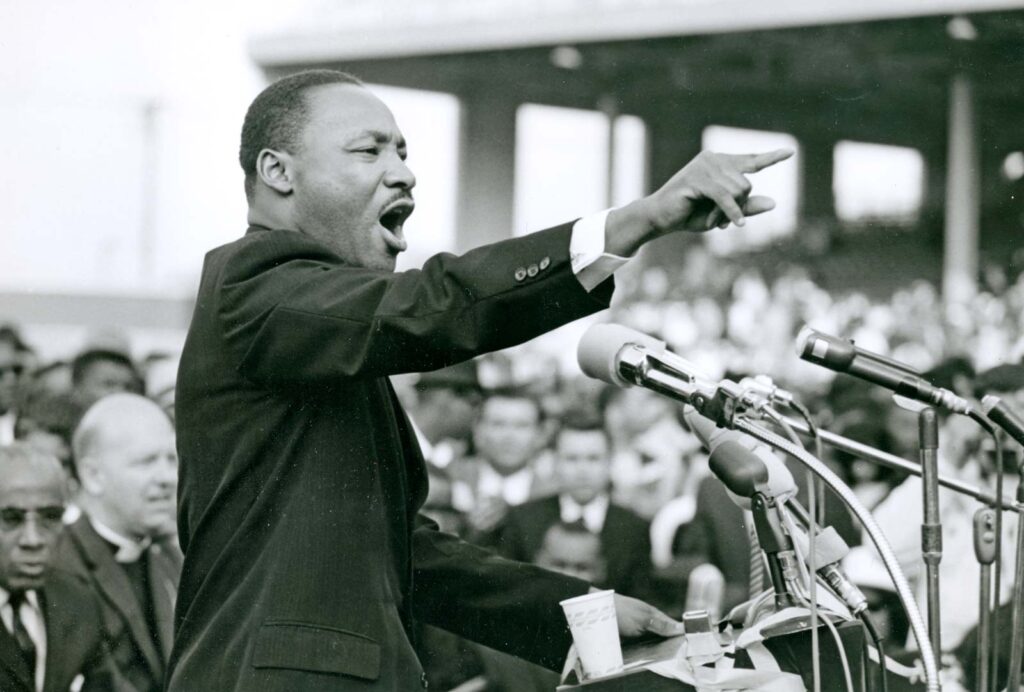
Thankfully, others have tackled this same question. One who many of us are familiar with is Dr. Martin Luther King Jr. who reflected in his 1967 speech Beyond Vietnam: A Time to Break Silence that “The war in Vietnam is but a but a symptom of a far deeper malady within the American spirit…” He was convinced that,
if we are to get on the right side of the world revolution, we as a nation must undergo a radical revolution of values. We must rapidly begin the shift from a “thing-oriented” society to a “person-oriented” society. When machines and computers, profit motives and property rights are considered more important than people, the giant triplets of racism, materialism and militarism are incapable of being conquered.
dr. Martin Luther King Jr. 1967. Beyond Vietnam: A time to Break silence
It seems to me that King is observing that aside from Marx’s criticism of religion, we are already addicted. We have been vaping the fumes of racism since our nation’s inception and take regular hits of Amazon-fueled materialist methanphines. We are a deeply addicted people says King. Racism, materialism, and militarism are injected into our veins by choice and by design. But here, Dr. King seems to suggest a new way to frame faith. Contrary to Marx’s suggestion that religion distracts us from the pain of the world, King seems to suggest that religion might be an antidote.
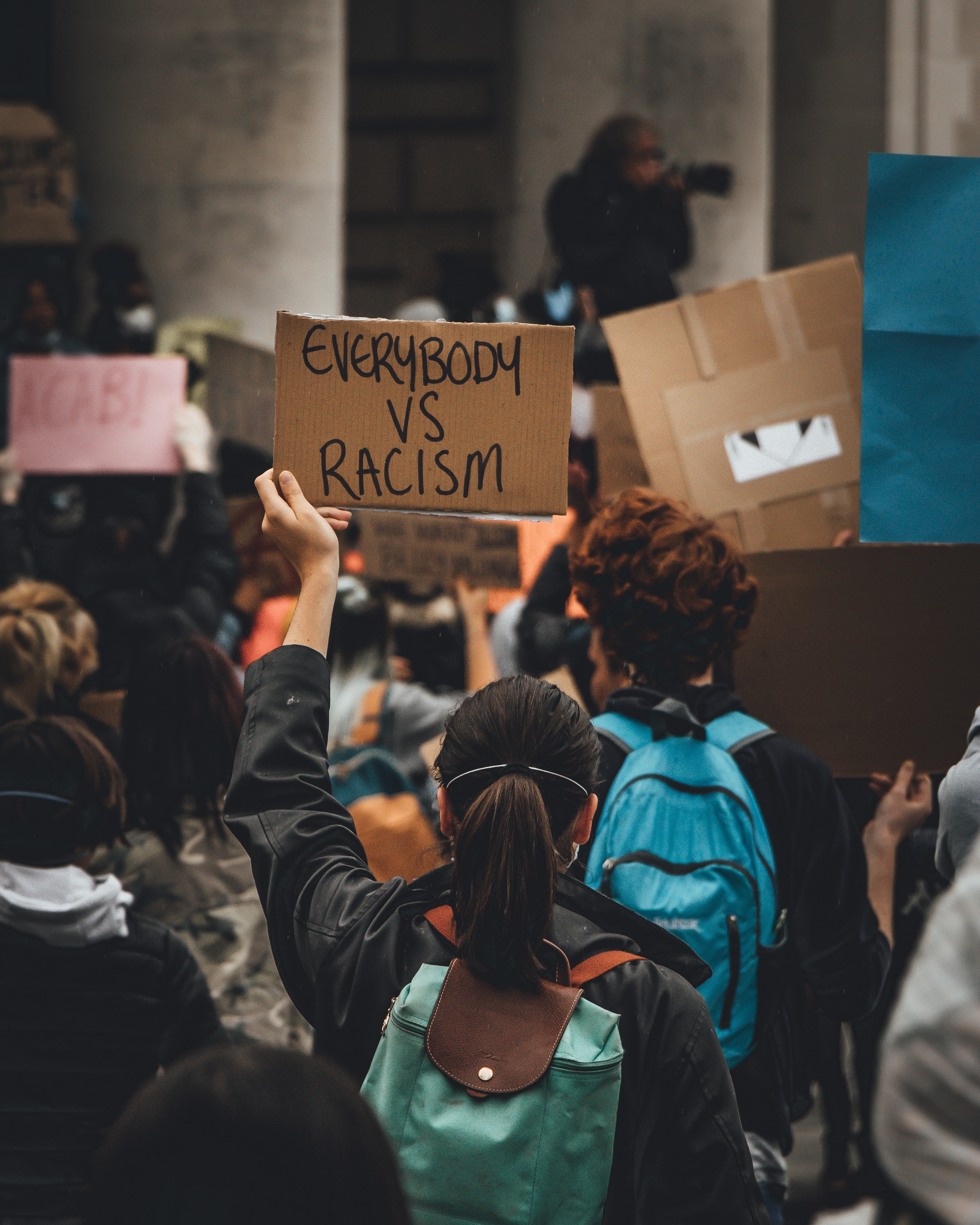
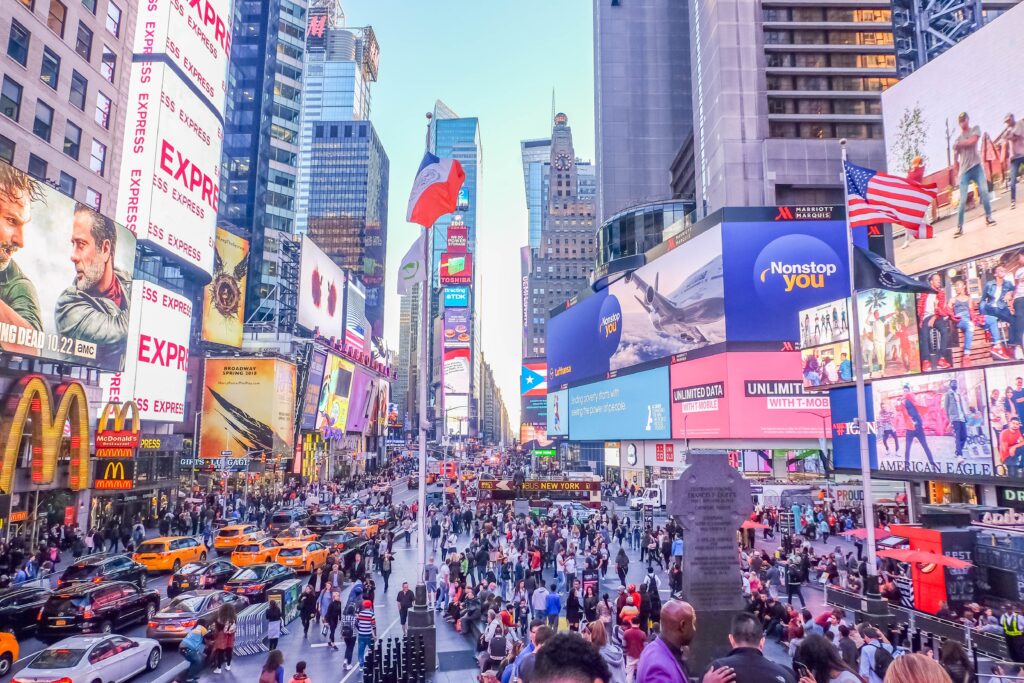
So it would seem that on the one hand, Marx is absolutely right – religion can become our distraction, our escape, our heavenly excuse for doing nothing. Even worse, religion can become a rationale for supporting the worst intolerance, justification for violence, or vicious public policies. On the other hand, Dr. King is also right…that religion, done well, could help us find a way out of these addictions.
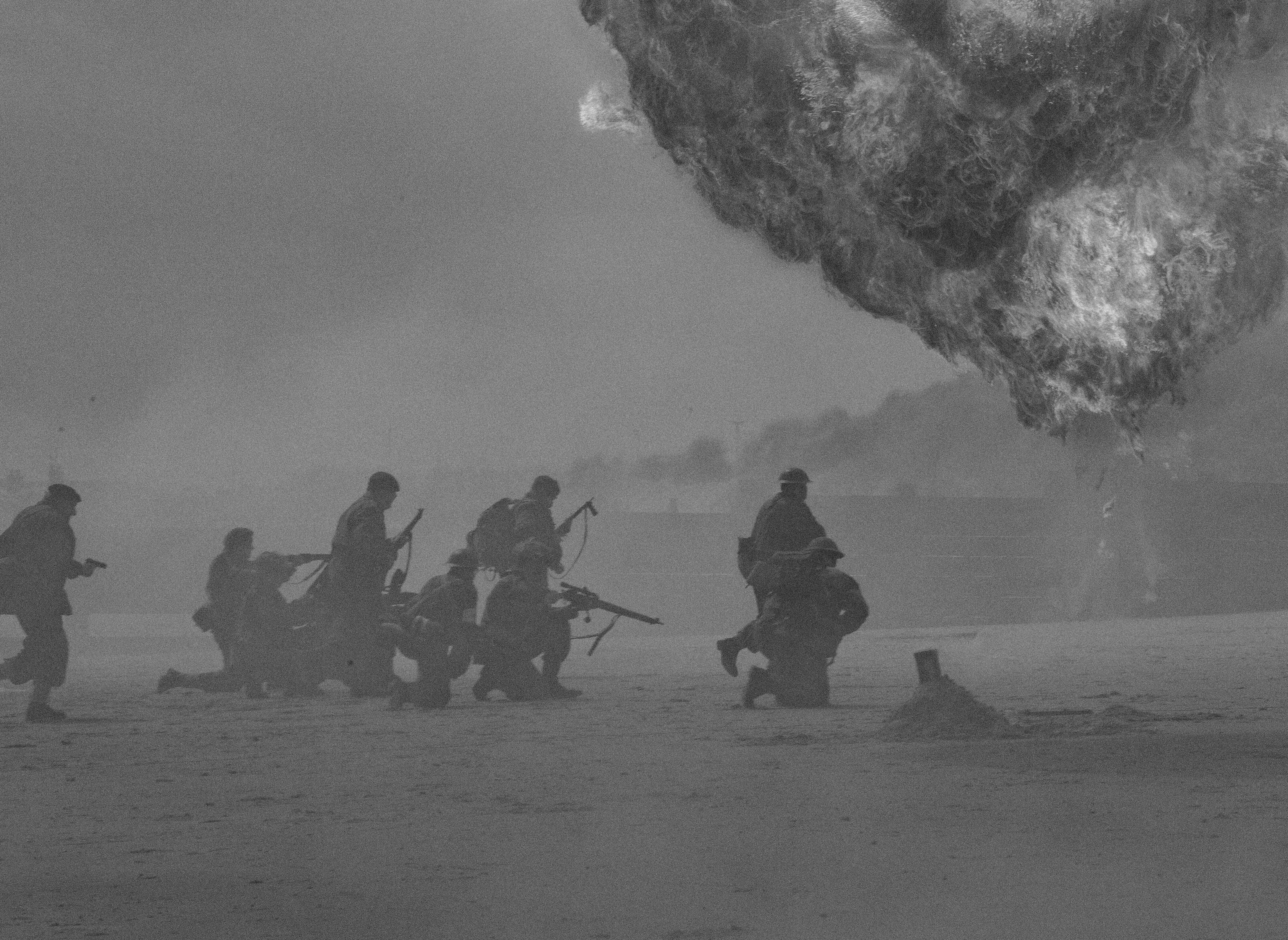
What does religion-done-well look like? It looks like first responders running toward the fire when everyone else is running away. Religion-done-well engages.
What does religion-done-well look like? Although I am far from a religious scholar, I sense at least one essential hallmark is a commitment to resist escapism. Like first responders running toward the fire when everyone else is running away, religion-done-well engages in peace and justice-making. I get excited by this engagement when I catch glimpses of faith as a vaccination against violence. When students, faculty, and staff gather to discuss the impact of racism in our communities. When clubs and groups of students ask how we can make our campus a safer place. When faith communities and their leaders march in the streets, develop social media campaigns, and talk frankly with their families about the injustice they see. When people from all faith and non-faith perspectives muster the courage to not stay quiet. If you are looking for organizations running toward the fire…check out this post.
I suspect Martin and Marx would be excited too. I also suspect that amidst a lively conversation with plenty of disagreement I think there is one topic on which they would agree…that the world needs more people who resist the temptation to understand faith as an escape, but instead, as a call to the hard work of justice building, peace-making, and reconciliation.
rainonrocks.com explores the connection between spirituality and social justice and inspires readers to reach deep and get involved. Matt blogs about spiritual meanderings, social action, and courageous voices who think creating a better world is worth the effort. Contact Matt about speaking or workshop opportunities. See the Services section for more information. Subscribe, share with your friends, and suggest topics or people you’d like to get to know.
]]>Warning: Trying to access array offset on value of type bool in /home3/rainonro/public_html/wp-content/plugins/wp-word-count/public/class-wpwc-public.php on line 123
When it comes to thinking about spirituality and social action I find myself drawn to a pair of maps that seem to point to the same single, most powerful step toward growth.


Stages of Faith
When I was in seminary, I was introduced to Dr. James Fowler’s theories of the Stages of Faith (1981). His thinking is based on psychological development models (Piaget, Kohlberg, and Erikson in particular) that suggest people’s experience of faith grows through a stepping-stone process. Fowler argues that people can move through up to 6 stages of faith and suggests that most of us spend our lives in stages 3-5 with some remaining in stage 2 and very few moving into stage 6. The stages are:
- Intuitive-Projective – primarily experienced by preschool children where ideas of God or faith are gleaned from those around them, and fantasy and reality often get muddled together
- Mythic-Literal – typically in elementary school children begin to understand the world more logically, but also tend to believe stories of faith in very literal ways
- Synthetic-Conventional – often exhibited as teens, growing social circles prompt a longing for a bounded belief system with established authorities. Young people can experience a difficulty of seeing beyond one’s insider perspective.
- Individuative-Reflective – young adults begin to recognize the faith “boxes” they have put themselves in, begin to critically examine them, discover other traditions, and can become disillusioned with their former faith. (Fowler notes interestingly, that those in stage 3 often criticize those in stage 4 as “backsliders” when they are really moving forward in their faith development)
- Conjunctive Faith – during mid-life some people begin to embrace the paradoxes of life and return to sacred stories without getting stuck in their former insider theological boxes
- Universalizing Faith – rarely, people grow to live their lives with few worries or doubts and with a deep commitment to love and justice toward others
I have mixed feelings about Fowler’s Stages of Faith map. On the one hand it is really nice to have a sense of a roadmap for faith. It allows us to acknowledge that faith and belief systems change and provides some direction in how we might be growing. On the other hand, these stages imply some clearly definable steps that all people move through in a linear process. Perhaps most seductively, stages imply a ranking that tempts us to compare ourselves to others using a little mental game of “So…where are you in your stage of faith? I’m pretty sure I just passed into the Conjunctive Phase” (Oh, what…would you like a little certificate for that?!)
Faith is not a thing that we “find” and “hold onto,” it is a dynamic lived experience that changes in response to the people and world around us.
Criticisms aside, one of the really valuable aspects of this model is how it highlights several transformational shifts of faith. There are things that happen through our faith experience that help move us from one place to another. Faith is not a thing that we “find” and “hold onto,” it is a dynamic lived experience that changes in response to the people and world around us. Hold that thought for a minute…we’ll come back to it in a bit.
The Active Citizen Continuum
During a Social Justice class I teach, we study how social movements work and how people become involved in them. There are lots of reasons that people do and do not get involved in social change campaigns. One of the more interesting maps I encountered as part of this class is the Active Citizen Continuum that proposes four stages of movement from less to more engagement in democracy and civic affairs:
- Member – someone who is part of a society, going about their daily business, but not really concerned about their role in social problems
- Volunteer – someone who is well intentioned and willing to help, but not educated about or very concerned with larger social issues
- Conscientious Citizen – someone who is beginning to ask the deeper questions. For instance, they move from asking “how can we take care of these hungry people?” to asking “why are all of these people hungry in the first place?!”
- Active Citizen – someone for whom community engagement becomes an essential part of their values and life choices. Contributing to community becomes part of what they do as part of their identity and work.
Once again, this model has its advantages and disadvantages. Like Fowler’s Stages, it implies discrete steps that move in a linear direction. The problem of course, is that not everyone moves from one clear step to another. Also, the implication that being an Active Citizen is better than being a volunteer overlooks the vital role played by those who give many hours of service to care for others in our community.
While volunteering is important, had all of society been satisfied with volunteering, child-labor laws would have never been enacted. We’d have lots of people caring for young kids, but instead of going to school 8 year-olds would still be working in coal mines and shucking oysters.
However, there are two aspects of this model that are really important. First is that it is crucial to differentiate between these different ways of connecting with civic life. While Volunteering is important, the shift to Conscientious and Active Citizen is what sets the stage for significant social change. Had all of society been satisfied with being Volunteers, child-labor laws would have never been enacted. We might have lots of people helping to take care of kids, but instead of going to school, 8 year-olds would still be working in coal mines and shucking oysters. Second, there are experiences that we have in their lives that move us from one stage to the next. People are not destined to remain in one stage of the Active Citizen Continuum. We Make choices that move us across these various positions.
So what?
Why is it helpful to think about stages of faith and civic engagement? Although these two maps attempt to capture two very different life experiences (spirituality and civic engagement) I was struck by one essential similarity.
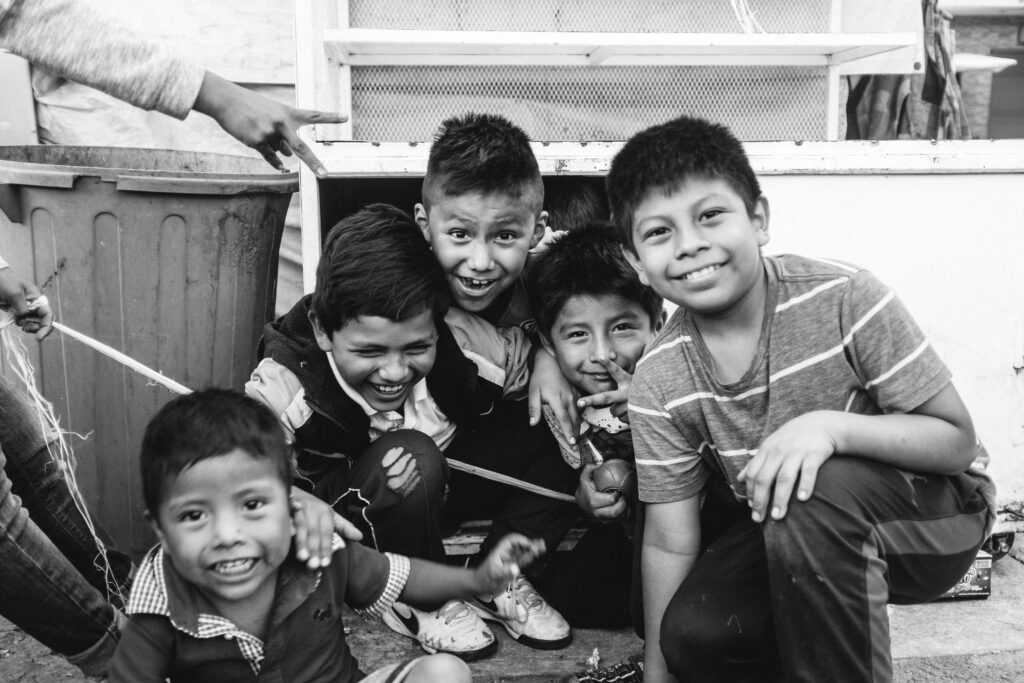
Which finally gets us to this “Most Powerful Step” – the necessity of reaching beyond our boxes and outside of our circles. Notice how connecting with those who are different from us is the linchpin in both sets of stages? Expanding our circles is what challenges us to grow beyond our inherited and siloed faith perspectives and draws us into the hard work of claiming our own authentic faith perspectives. This simply cannot happen without encountering people from diverse backgrounds.
Likewise, connecting with people outside of our traditional circles is what moves us through the stages of the Active Citizenship Continuum. It nudges us from volunteering to a deeper commitment to make real change in the world. When we connect with others beyond our established circles, we begin to genuinely care about their struggles, and find it hard to ignore the call to join those working to make the world a better place.
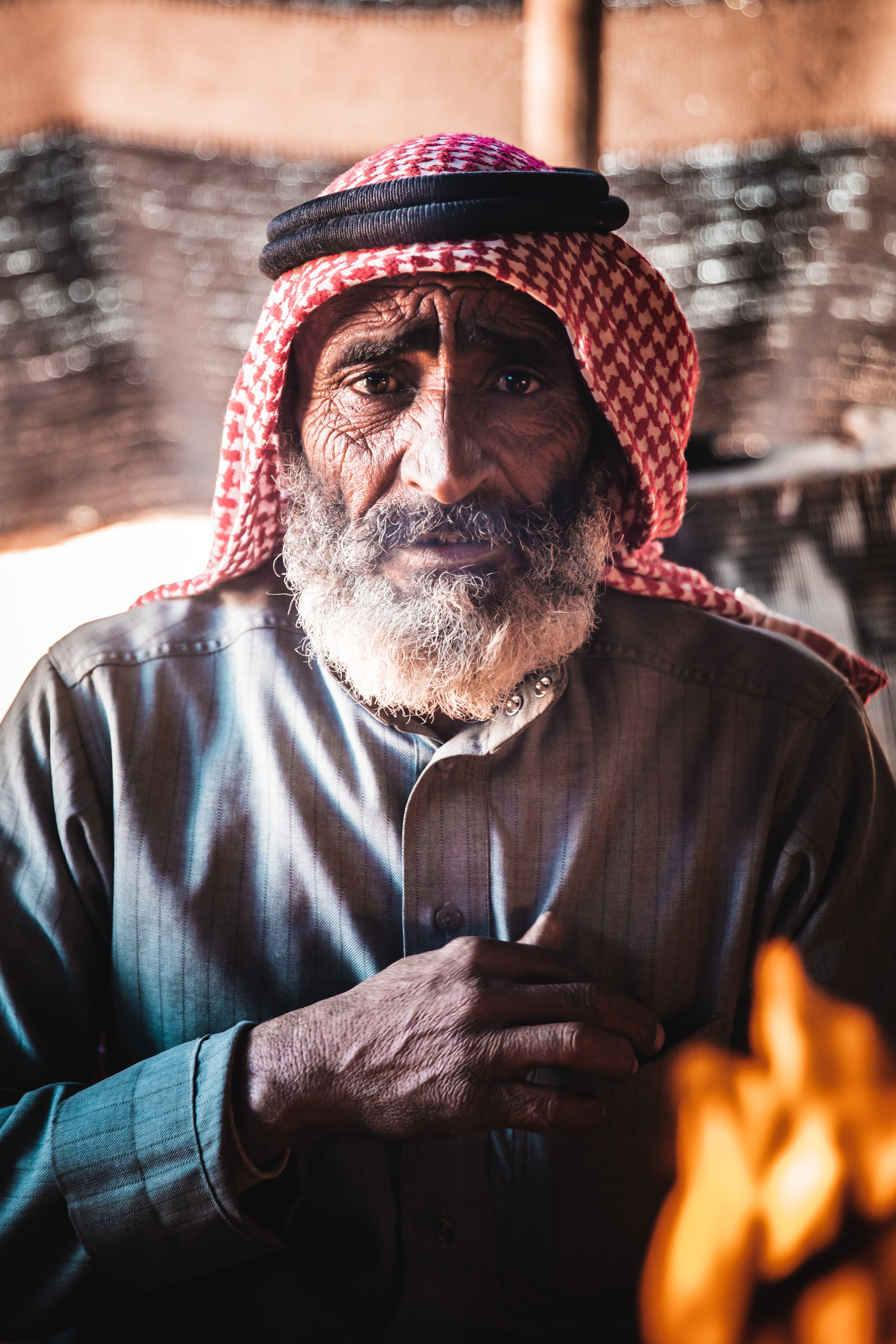
Both of these maps illuminate the same essential step – reaching out is essential for growth. Learning about other’s joy, struggle, wisdom, pain and courage is the key step that draws us beyond our faith silos and fears of civic engagement.


Now What?
Okay..so now what do we do? “Reaching out” sounds simple, but if we’re not accustomed to doing it, it can be hard to know where to begin. Here are 5 possible steps in the journey to changing the world and liberating ourselves:
Take the other to lunch – I have mentioned Elizabeth Lesser’s TED talk in a previous posting, but it’s just too good to not mention again. Lesser includes a list of “rules” and some example questions you can use to initiate a conversation with someone that may be very different from you. I have adapted this exercise for the Conflict Training class I teach. If you would like the exercise, questions, and worksheet I use in class, let me know. I’m happy to share.
Conduct some Informational Interviews – Those in the job hunting mode will recognize Informational Interviews as the work of identifying people who are doing jobs you are interested in, and then reaching out to them to find out about their field, what a day-in-the-life of this career looks like, etc., etc. Adapting this job hunting strategy to reaching out, there are a whole variety of ways you could use this to push beyond your daily world:
- You could conduct interviews with justice leaders, community members, or the local mayor.
- You could reach out to former HS or college classmates to find out about their experience or sense of the campus’ perspective toward people of different races or gender orientations in your school.
- You could interview grandparents to learn about their experience of faith or justice from generations back.
- You could set up a round-robin office interview project to learn about those you work with but have never taken the time to get to know.
I have done these sorts of interview projects with students over the years and have lists of questions I’d be happy to share. Again, just let me know.
Learning about other’s joy, struggle, wisdom, pain and courage is the key step that draws us beyond our faith silos and fears of civic engagement
Go on a cross-cultural experience – My most transformative experiences have come as part of cross-cultural adventures. My students consistently report that traveling to different communities, cities, regions, or countries and having genuine opportunities to talk with people there is one of their most powerful university experiences. Check out Friendship Force International as a great example of these sorts of opportunities.
Connect friendship building to your travel – For those who regularly travel as part of vacation or business, consider integrating some richer get-to-know-you efforts into your plans. This could range from visiting a museum to seeking out activities that connect you with those who live in the place you are visiting. I remember how powerful it was to stay with Japanese families when visiting Nagasaki or Israeli and Palestinian families when we traveled to Israel and the West Bank. Check out this article for some additional ideas.

Other Options for Meeting New People – Although people are doing a lot less traveling right now…don’t let that stand in your way. First, you could always read authors from around the world. I find Powell’s “25 Books You Must Read Before You Die” lists are always a good place to start. Additionally, you could hop online and check out a whole set of options for meeting people around the world. As always, you need to be discerning when reaching out to people online. However, there are a variety of apps and websites that facilitate what could become some great connections. Finally, this might be a great time to pick up another language. Look around in your community for native speakers or reach out to your local college or university language department for classes or suggestions. Use this as an opportunity to build your connection with new people and places.
I hope in the months ahead you try out some of these uncomfortably powerful challenges and growing in surprising ways.
rainonrocks.com explores the connection between spirituality and social justice and inspires readers to reach deep and get involved. Matt blogs about spiritual meanderings, social action, and courageous voices who think creating a better world is worth the effort. Contact Matt about speaking or workshop opportunities. See the Services section for more information. Subscribe, share with your friends, and suggest topics or people you’d like to get to know.
]]>Warning: Trying to access array offset on value of type bool in /home3/rainonro/public_html/wp-content/plugins/wp-word-count/public/class-wpwc-public.php on line 123
On the other hand, there are relatively few sites that examine how spirituality can come to life through social action, or the spiritual roots of social justice movements (Check out this recent article that works to tie these together…). This list attends to the more elusive intersection of spirituality and social justice with a diverse sampling of resources and reflections. You might even discover some groups you’ve not encountered before (e.g. Quakers, Pagans, Mennonites, Buddhists, Muslims, Ecospiritualists, and Yoga practitioners). Click on the group name to visit their site. Let me know in the comments if there are groups you’ve discovered that should be added to the list.
African Methodist Episcopal Church Social Action Commission – The social action organization of the AME Church, their website is includes some valuable history, several primary campaigns (climate change, mass incarceration, education) and a lengthy list of other organizations that they connect with. The partner list represents a thoughtful cross-section of contemporary social justice institutions.
American Friends Service Committee – A Quaker organization with a long history of peace and justice work. An abundance of downloadable resources, podcasts, blogs, a training center and news updates exploring international peacebuilding, creating inclusive communities, immigration, mass incarceration and many issues.
Ecospirituality Foundation – The foundation roots its spiritual perspective in ecological principles with particular attention to the rights of indigenous communities, animal justice, nutrition and environmental care. The organization has a consultative relationship with the United Nations and supports the UN Sustainable Development Goals (check out the UN SD goals here – they are an inspiring read in themselves).
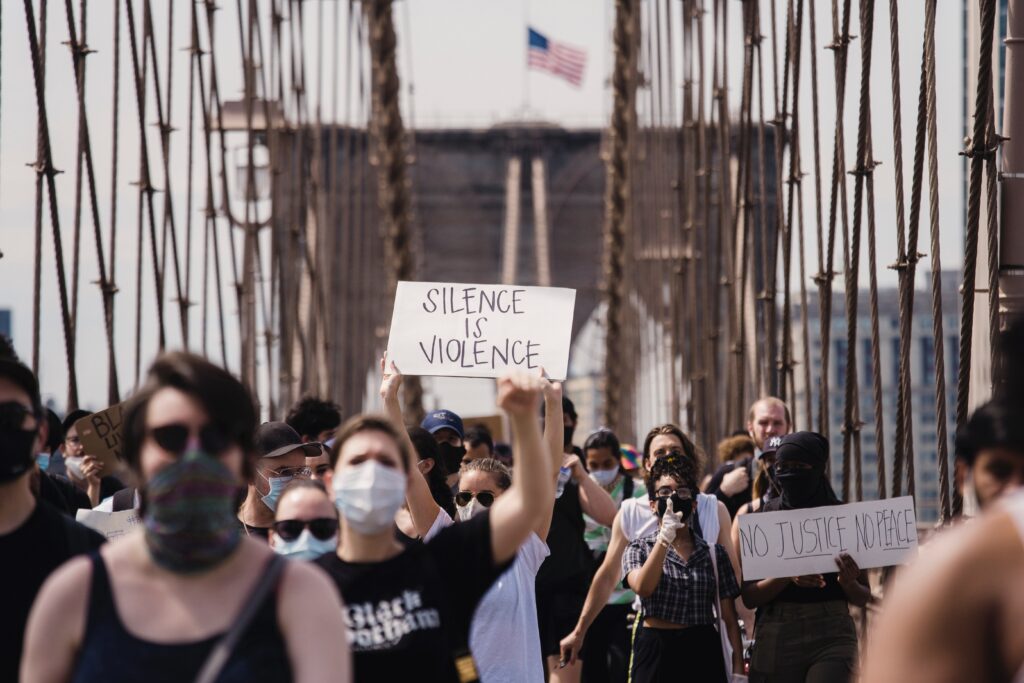

Generation Justice’s podcasts exploring Spirituality and Social Justice – Generation Justice is a multiracial, multicultural youth training project. Although they focus primarily on privacy and cyber security issues, they explore a wide variety of social justice issues. They have an extensive podcast library. This link takes you to the first of three podcasts exploring the connection between spirituality and social justice.
Mennonite Central Committee – Is a “worldwide ministry of Anabaptist churches, shares God’s love and compassion for all in the name of Christ by responding to basic human needs and working for peace and justice.” Drawing on an historic peace church perspective, programs include US and international emergency relief, food, health, education and development efforts. Peace and Justice work focuses on migration, peace advocacy, sexual abuse prevention, criminal justice, race, environment and restorative justice education. Many resources available to learn more and participate.
Muslims for Progressive Values – “Advocate for human rights, social justice and including in the United Stages and around the world.” The site includes resources and information ranging from interfaith relationships and LGBTQI issues, to racism and women’s rights. A wide range of podcasts, recommended readings, newsletters, and videos are available.
Like so many young people today, I was searching for a way out, or some might say a way in, and then I heard the voice of Dr. Martin Luther King Jr. on an old radio. He was talking about the philosophy and discipline of nonviolence. He said we are all complicit when we tolerate injustice. He said it is not enough to say it will get better by and by. He said each of us has a moral obligation to stand up, speak up and speak out. When you see something that is not right, you must say something. You must do something. Democracy is not a state. It is an act, and each generation must do its part to help build what we called the Beloved Community, a nation and world society at peace with itself.
John Lewis (2020)
National Baptist Convention USA – This historically black Christian church has national level projects ranging from disaster management and health ministries to housing and criminal justice commissions.
Pagan – Crystal Blanton’s reflections in this article published in The Wild Hunt provides links to additional resources, explores some pagan spiritual foundations for social justice work and advocates for new connections among diverse communities of faith. A thoughtful read.
Presbyterian Mission Agency – It would take another posting or two to list the pages and pages of material available through this organization. Suffice it to say if you’re looking for resources, opportunities to connect, or current news on Christian social justice work (through a Presbyterial lens) there is something here for everyone – public witness, public policy recommendations, direct advocacy, environmental justice, homelessness, race, peacemaking, women and children, poverty, faith-based investment, etc. etc. Worth reviewing to see how active faith groups are around social justice campaigns.
Still Harbor – Working at “creating a network of fiercely loving and compassionate spiritual leaders for social change,” Still Harbor offers spiritual direction and training for leaders looking to integrate deeper perspectives into their Social Justice leadership. Check out their Anchor digital magazine for a sense of what their alumni are up to.
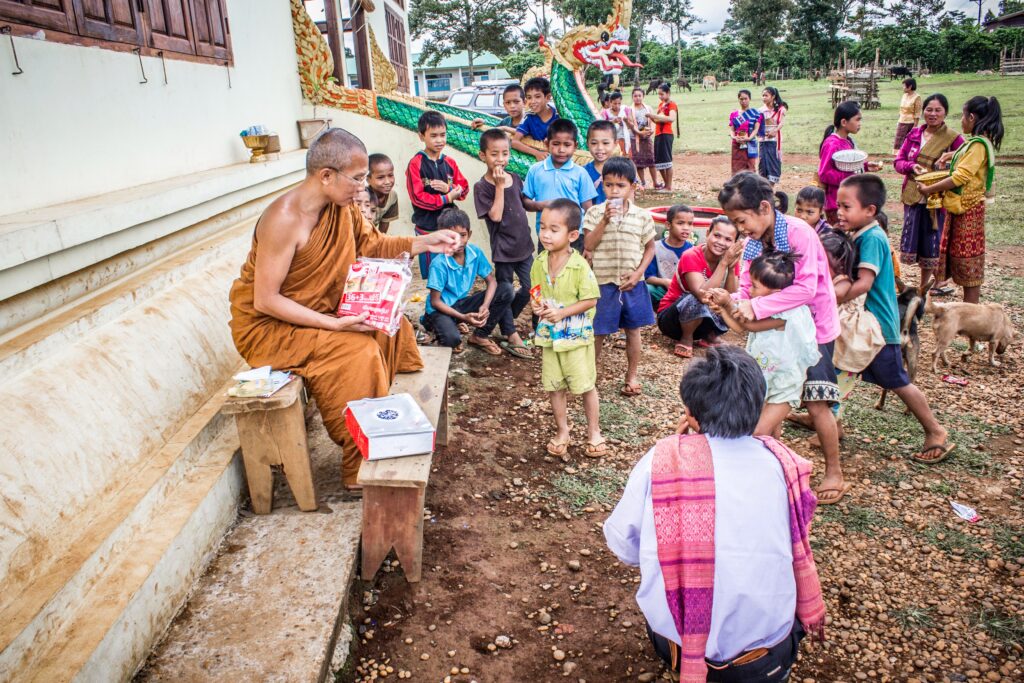
Tikkun – A network of spiritual progressives who “uplift Jewish, interfaith, and secular prophetic voices of hope that contribute to universal liberation.” The organization has an abundance of resources and articles that integrate spirituality, psychology, intellectual analysis and a diversity of social action opportunities.
Unitarian Universalist College of Social Justice – works to “inspire and sustain effective and spiritually grounded activism for justice.” Their program emphasizes learning through cross-cultural experience and includes immersion learning journeys, justice training programs, summer internships, and volunteer opportunities. The “college” is not an accredited school, but a program of the UU Service Committee and participants do not need to be affiliated with the UU to participate in their programs.
United Church of Christ – Social justice seems deeply woven into the spiritual mission of the faith community and there are lots of news stories regarding the community’s involvement in current justice campaigns. You will need to subscribe to the site to get access to the abundance of resources.
United Methodist Church – In this posting the Reverend Ryan Dunn reflects on the connection between faith from a Methodist perspective and the work of social justice. In addition to this thought provoking Christian reflection the site contains links to particular social justice campaigns.
Ordinary people with extraordinary vision can redeem the soul of America by getting in what I call good trouble, necessary trouble. Voting and participating in the democratic process are key. The vote is the most powerful nonviolent change agent you have in a democratic society. You must use it because it is not guaranteed. You can lose it.
John Lewis (2020)
US Conference of Catholic Bishops – This site includes an exhaustive list of social justice statements and campaigns from a Catholic perspective. Perhaps that is why it can be a bit challenging to find anything in particular. I suggest starting with this page – It opens with a focus on environmental issues and the left sidebar reveals how to connect with other projects. Happy hunting!
Yoga International – This first in a pair of articles posted on the Yoga International website explores the connections among Yoga, Spirituality and Social Justice. Even if you are not a Yoga enthusiast, this will give you some new ways to think about the interaction of our body, spirit, and actions for justice.
Zen Peacemakers International – Supports, inspires, trains, and mobilizes “a world-wide movement of members and affiliates conducting humanitarian, peace-building, social and civic action.” Organizing Bearing Witness retreats to be with native-peoples, refugees, minority communities, and survivors of civil wars is a key aspect of their work.
rainonrocks.com explores the connection between spirituality and social justice and inspires readers to reach deep and get involved. Matt blogs about spiritual meanderings, social action, and courageous voices who think creating a better world is worth the effort. Contact Matt about speaking or workshop opportunities. See the Services section for more information. Subscribe, share with your friends, and suggest topics or people you’d like to get to know.
]]>Warning: Trying to access array offset on value of type bool in /home3/rainonro/public_html/wp-content/plugins/wp-word-count/public/class-wpwc-public.php on line 123
I was really, really shocked when a local newspaper reporter actually labeled me as an activist. I never really thought of myself as an activist.”
Loreliei Scarboro (pg 126)
Lorelei tells her story along with dozens of other women in Shannon Bell’s book Our Roots Run Deep as Ironweed: Appalachian Women and the Fight for Environmental Justice (2013). Time and time again, they share how they discover their voices in opposition to Appalachian mountaintop coal mining and become inadvertent activists as they cannot resist the urge to protect their families, communities, and the land they grew up on.
Their hesitancy to claim the title “activist” should not be a surprise. Media coverage frequently connects “activism” with tear-gas and burning cars and almost always overlooks the deeper, richer, personal commitments of those who work to make the world a better place. The journey to activism is different for everyone. As one who has lived in the pastoral, professorial, and now career advising world, I thought I would share seven discoveries that have helped me think about my own inconsequential, irreplaceable activist-ish journey.
1. An Ecological Perspective
Given the politicization of conversations around the environment, it’s hard to say anything about environmentalism that doesn’t immediately get one branded a “tree-hugger” (spoken with a knowing snarkiness). In sociology classes we try to step away from politics and examine some basic realities. For instance, one of the most comprehensive scientific projects we look at is the series of Intergovernmental Panel on Climate Change (IPCC) reports. Every 6 or 7 years the IPCC releases a report that summarizes thousands of environmental research projects from around the world. The sixth report is due out in 2022. In a nutshell, the early reports said things like “we think the planet is warming and suspect human activity has something to do with it.” Now, after reviewing tens of thousands of research projects over decades, the reports say “there is no doubt that the planet is warming and that human activity is having a huge impact.” Sure, if you look hard enough or watch the right internet news sites you’ll find a few dissenters. However the overwhelming majority of the scientific community supports the IPCC conclusions (It sort of makes you wonder what you would do if 99 out of 100 doctors said you had cancer. Would you listen to the 1 who didn’t think so?).
Climate change is just one example of a much broader swath of environmental concerns that include loss of biodiversity, warming oceans that lead to more powerful hurricanes, air pollution, access to fresh water, immigration, and how all of this increases the risks of international conflict. I include an ecological perspective as first on the list of important things I’ve picked-up on for two reasons. First, climate change and environmental degradation is a genuine existential threat. The answers to these ecological questions will dictate whether or not anything can really live on this planet 50, 100, or 500 years from now.

Second, climate change is also a great example of how hard it can be for us to join social movements. Kari Norgaard beautifully illustrates this in her book Living in Denial: Climate Change, Emotions, and Everyday Life (2011). An abundance of interviews with a community in Norway reveals that despite clearly recognizing the dramatic changes in their climate, few people were engaged in social change. There is a sense of disconnect between what people knew and what they thought they could do about it. I agree with Kari when she argues that many Americans feel the same way. That’s where the next six ideas come in!
2. Checking the MAP
As a sociologist teaching social justice courses at the university, one valuable tool I have found is Bill Moyers’ Movement Action Plan (MAP) model for social movements (2001 Doing Democracy: The Map Model for Organizing Social Movements). An image of the model is pasted here (used by permission). Moyers’ book is full of rich insights that are particularly useful for understanding today’s movements. If you’d like to more clearly understand the ups and downs of the #MeToo or BLM movements, this is a great read.
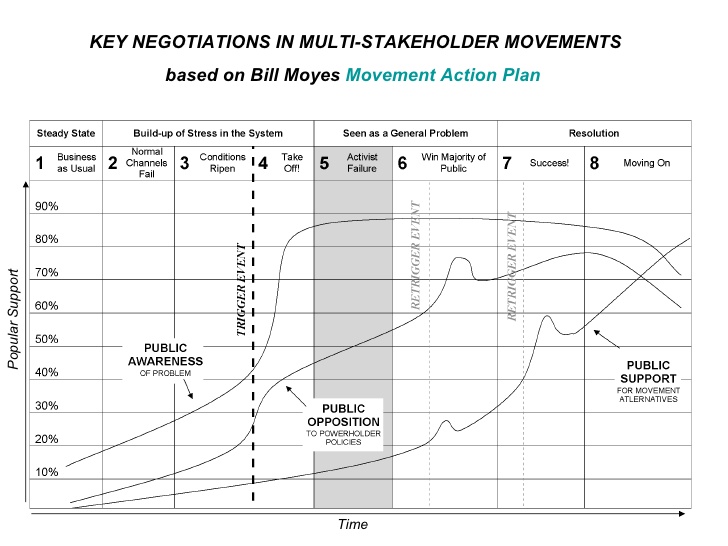
One of Moyers’ most powerful observations is that movements unfold over time and are reliant on people who understand this and keep working at it. Two examples. First, note on the MAP that there are three colored lines representing three different groups of people in a society. One is the percentage of the public aware of the problem. A second is the public’s opposition to current powerholder policies. And a third is public support for movement alternatives. For a movement to accomplish its goals, a greater percentage of the society must move from awareness to active support. This doesn’t happen overnight. It might feel like it sometimes, but what is sometimes perceived as dramatic change is only the result of decades, sometimes generations of work behind the scenes.
A second fascinating observation from Moyers’ years of movement experience is found in his concept of trigger events frequently followed by the perception of failure. These are social moments where something dramatic goes viral on social media or catches the eye of the media (think of the Sandy Hook Elementary School shooting, the arrest of Jeffrey Epstein, or killing of George Floyd). The explosive activism and newfound awareness following these events raises hope that “some progress might really be made this time!” But often, these moments are followed by political wrangling or pushed out of popular attention by the next news cycle, only to be remembered when the next event occurs.
Why does this long-view of social change matter? For those who long for change, Moyers’ MAP reminds us that despite our enthusiasm for the instantaneous (not unlike those body-sculpting exercise machines I keep getting ads for), social change takes time. Which means social movements need people who are willing to keep going for the long-haul. Which means, if we really want to make the world a better place, we need to find a way to keep making small contributions every day for a long time.
3. Gandhi’s Paradox
Our efforts, no matter how large or small, are simultaneously inconsequential and utterly irreplaceable
Another image I’ve found helpful in making sense of my small social justice efforts is described by Alan Johnson in his book Privilege, Power, and Difference (2006). Among lots of thoughtful insights is his reflection on our longing for success and wanting to know that we are making a difference. I confess, I really like the idea that putting a BLM sign in my lawn, sharing progressive posts on social media, going to gender justice training events, joining a march, and writing a blog post now and then, really matters somehow. But honestly, I’m pretty sure that it really doesn’t make a huge difference. And although I genuinely do not expect that my efforts would transform the world, there is a little part of me that has a hard time keeping-on when I don’t see the success I long for.
Johnson tackles my disappointment by drawing on Gandhi who once said that “nothing we do as individuals matters but that it’s vitally important do do it anyway” (132). Johnson shares a paradoxical tree metaphor that makes a lot of sense to me. He writes, “no individual leaf on the tree matters; whether it lives or dies has no effect on much of anything. But collectively, the leaves are essential to the whole tree because they photosynthesize the sugar that feeds it. Without leaves, the tree dies.” Our efforts, no matter how large or small we may perceive them to be, are simultaneously inconsequential and utterly irreplaceable in making the world a better place.

4. Don’t Lead When You Can Follow
One of my favorite discoveries is described by Derek Sivers in his TED talk “How to Start a Movement” It is a three-minute watch and well worth it. You should go do that now. Go ahead…I’ll wait. (Pause, I’ll check my instagram…okay, I’m back…) Did you watch it? I know, it’s a pretty grainy video but makes a powerful point (spoiler alert if you didn’t watch the video). As Sivers notes, despite leaders receiving most of the credit, it is the early followers that give a movement it’s credibility.
The first follower is actually an underestimated form of leadership in itself. It takes guts to stand-out like that. The first follower is what transforms the lone nut into a leader.
Derek Siver
If you’ve ever taken a psychology or sociology class, you’ve probably also seen another grainy video. I’m thinking of that old film often called Solomon Asch’s “line-length” experiment. In it a half-dozen 20-something, white, college guys sit together and give their answers to which line from a group they think matches another (you can watch a video of the experiment here…). Typically the exercise is said to prove how hard it is for you (I guess assuming you are a 20-something, white, college guy?) to stick with your opinion in the face of opposition. Everyone else is in on the experiment except one person who has to wrestle with whether or not he’s going to give what is clearly the correct answer when everyone else is intentionally giving the wrong one. Results show that if the subject sensed that he was alone in his answer, he gave in and went along with the majority 37% of the time. However, if Asch placed just one ally in the group to join the subject in standing opposed to the pressure of the majority, the subject gave in only 5% of time.
The long and short of Siver’s and Asch’s observations – people become dramatically more courageous if they have an ally. If you want to make a powerful difference in the world, you don’t have to strike out on your own. Join something that already exists and give others the courage they need to keep going.
5. Liberation Sociology
Another book that was an earth-shaker for me in graduate school was Feagin and Vera’s Liberation Sociology (2008). Their book examines sociology’s struggle to resist the temptation to serve existing powers and instead become a prophetic voice for equity and justice. Much of the book is aimed at professional sociologists and students who anticipate becoming university professors. However, some of their insights are valuable for those outside of academia. One that I carry with me is a sentence that could be easily missed even though it is a major focus of the rest of their work. They write “In this book we underscore the act of choosing what should be studied because this is a crucial and indispensable decision in much sociology practice” (12). For academics, this choice really is crucial. It often has the quality of planting one’s flag in the soil and dictates the rest of their intellectual career.
So what does this have to do with the rest of us? If we want to make a long-term commitment to improving the world, one of the most “crucial and indispensable” decisions we make is to integrate it into our work. I’m not saying we all need to become full-time community activists. I’m suggesting two things. First, that choosing a career direction gives all of us a powerful opportunity to bend our working lives toward justice. Choosing to be a nurse, teacher, firefighter, or social worker puts justice, equity, service, and an awareness of the needs of others front and center everyday.




And second, no matter what our work, we can find ways to bend it toward justice. Financial advisors can show clients the value of socially responsible investing. Business leaders can integrate mediation training into their offices. In my own career development work, our office prioritizes efforts to help first-generation and students of color to find internships that often come more easily to students whose resources allow them easier access to professional networks. You get the idea. No matter where you are you can choose to integrate equality and justice building into your daily work. Where could this work for you?
6. Mr. Holland’s Network
Some of us might remember a 1995 film entitled Mr. Holland’s Opus staring Richard Dreyfuss, Glenn’s Headly, and Olympia Dukakis. In a nutshell Mr. Holland (Dreyfuss) is an aspiring classical musician with dreams of a lifetime of writing music, but who ends up teaching a less-than-mediocre high school band. Although I won’t totally spoil the ending, let’s just say that a lifetime goes by and Mr. Holland discovers that the Opus he writes is less about notes on a page than through the lives in his community.
I can’t disagree with those who say the film is thoroughly schmaltzy. I rarely cry at movies, but this one had me sobbing pretty good some 20 years ago (I’m a little scared to watch it again for fear of what it might do to me now). Tear ducts aside, I am persuaded by one of the film’s foundational observations. Were we to imagine ourselves as composers, the music we produce over a lifetime is less about our daily to-do lists than the confidence and courage we inspire in those we encounter.
If we want to make a real contribution, remember that inspiring others to write their Grammy-winning song is more powerful than writing our own symphony.
A slightly different way to look at this…a key perspective for sociologists who study social networks is that individual nodes of a network (say particular people in a community or workplace or school) are meaningful only to the degree to which they are connected to others and form a network of relationships. The most influential nodes are the ones who have many connections, or sometimes more importantly, who are connected to those dangling out on the periphery. While sociologists have all sorts of statistical ways of measuring these relationships, looking at the connection between social justice and spirituality, social networks give us some new perspectives. The bottom line is that we are only as strong as the web of relationships we are a part of. And should we be the sorts of people who want to make a real contribution to the world, we should be less interested in writing our own symphony than pushing everyone we meet to write their Grammy-winning song.
7. We need spiritual courage and strength
So…confession time. I’m particularly ambivalent about putting spirituality and social justice in the same sentence (I know, that probably sounds a little odd since this whole blog is supposed to be about the intersection of spirituality and social justice). On the one hand, I sense that social justice folks can be really frustrated by spiritual folks who often seem more interested in personal salvation than resisting systemic racism, and visa versa.
On the other hand I see the incredible work being done by leaders like the Dali Lama, Carolina Hinojosa-Cisnero, Jimmy & Rosalynn Carter, or the late Mother Teresa of Calcutta whose faith traditions are central to their work and energy. I know how essential the black church was in support of the civil rights movement in the 1960s, and how the justice work of faith communities continues today (here’s a great example from the sojourners community).
So while the conversation about progressive social justice and spirituality might typically be avoided, it is one of today’s most important conversations. Moyers’ MAP, Gandhi’s Paradox, Mr. Holland’s Network, and the other observations here reveal that anyone who is part of a social movement is in urgent need of spiritual resources and a way to focus beyond our mortal timeline. This is hard work! Perhaps “spiritual resources” isn’t the right word. Maybe it is about connecting with a faith community, or finding a group of friends, or pursuing a regular meditation or yoga discipline. Whatever it is, I encourage you to find it. The pastor and sociologist in me wrestle over all sorts of topics, but one they do agree on is that social progress is exhausting and we have to find some strength beyond ourselves if we want to contribute to the long-term, day-to-day, accumulation-of-the-tiny efforts to build a better world.
rainonrocks.com explores the connection between spirituality and social justice and inspires readers to reach deep and get involved. Matt blogs about spiritual meanderings, career confusion, and wandering voices who think creating a better world is worth the effort. Matt is open to speaking or workshop opportunities. Contact him or see the services section for more information. Subscribe, share with your friends, and suggest topics or people you’d like to get to know.
]]>Warning: Trying to access array offset on value of type bool in /home3/rainonro/public_html/wp-content/plugins/wp-word-count/public/class-wpwc-public.php on line 123
What is Liminality?
First, some fun etymology (BTW “fun” and “etymology”…two words that have probably never appeared in the same sentence ever). Liminal comes from the Latin word “Limins” – a passageway between two spaces. The limins is a threshold, that part of the door found on the floor where one steps from one room into another. It was most likely the dividing point between the room where a household threshed grain and the next-door room. Of course metaphorically a “threshold” is a moment of transition from one thing or time to another. In anthropology, the idea of liminality reveals unique moments of human life and community. Arnold van Gennep (Le Rites de Passage. 1909) developed this concept in connection to his writing about momentous changes in our lives. You know, all the rituals that mark high school graduation, adulthood, marriage, death and others. My post-high-school pre-college flight was a liminal time.
But not all liminal moments are connected with developmental Rites of Passage and one can begin to see how it also might explain lots of other transformations that occur around us all the time. Victor Turner (Dramas, Fields, and Metaphors: Symbolic Action in Human Society, 1974) extended Van Gennep’s concepts to cultural and political change by noting how liminal periods can exist in all sorts of times and places. One can be elected President of the United States but need to wait several liminal months before taking the oath of office. Traveling by train or plane can become liminal times as one is neither here nor there but somewhere in between.
Writers have applied liminal concepts to all sorts of experiences. From the novelist’s struggle with the middle portion of a book where a plot point has been instigated but the protagonist has yet to respond, to the personal journey through a period of grief and uncertainty accompanying the death of a spouse. Despite some arguing that rites of passage have become particularly scarce in post-industrial Western society, liminality and this time of in-betweenness can become a powerful way to think about many moments of our lives.


So what happens during liminal days?
Some liminal moments are deeply personal and shake us to our very foundation (like getting married or the death of a spouse), others are significant but might be limited to a set period of time or not push quite as deeply into our lives (waiting to hear back from a job interview or moving from one apartment to another), and yet others might barely register above our daily routines (driving to work or waiting to get the WiFi hooked up at home). During the more intense manifestations, Liminality is characterized by a sense that:
- Our assumed future plans have suddenly been thrown into doubt (like when we lose our job and wonder what is going to happen next)
- The normal authorities in our lives don’t hold the same power over us that they used to (like the way we look differently at our kindergarten teacher once we move-on)
- Traditions and established orders become fluid and malleable (say when we leave home and suddenly discover we can drink as much Mountain Dew as we want without our parents getting on us about it!)
- Our identity is shifting both for ourselves and others (as in when we wear a wedding band in public thereby witnessing to new rules regarding our relationships)
These personal and social shifts can set off a whole series of quakes up and down the fault-lines of our lives. Some are anticipated and full of joy (graduation) while others can be impossible to predict and leave us broken and lost (the death of a loved one). Often, even “positive” liminal moments can create unclarity about plans for our lives, confusion about our values and priorities, a jostling of our relationships with old friends, and create a sense that we’ve lost control.
These times are often uncomfortable and scary. Turner observed that liminal moments are extremely intense and the lack of routine, disappearance of expectations, and shifting relationships typically cannot be sustained for long. These unique times can push people into new identities and relationships with those around them and often become the compost out of which new growth, commitments, identities, relationships, and institutions are born.
Liminality is a simultaneously confusing and energizing state. A time of transformation. An opportunity to shed old identities and take on new ones.
This paradox is not lost on spiritual leaders. Think of the Hebrew people’s 40 years of wandering in the desert, the Buddah’s 49 days under the bodhi tree, Jesus’s 40 days in the wilderness, and the time spent in the jungle by young male Bassari tribe initiates as part of their rite of passage to adulthood. Uncomfortable and unpredictable spaces are frequently understood as essential for growth. Terrifying or uncomfortable as it may be, recognizing that we are moving through liminal moments gives us some control during what seem like uncontrollable times, and make good use of these waves of change. “Thinking liminally” allows us to more thoughtfully move through life as people wanting to bring a bit more hope into the world.
How do you know you’ve entered a liminal space?
A good place to begin is to watch for endings and beginnings. Liminal times often come upon us through changes in personal relationships, work, careers, family, geography, even cultural and political moments (think about how WWII or the coronavirus has thrown the whole planet into an in-between space!). All of these mark significant shifts. A move across the country to follow a partner’s work. Graduation from college and the move into a career. Watch too for the stuff that previously made sense to you, but doesn’t anymore. Work that felt like a good fit, suddenly doesn’t feel like a good fit. Hobbies don’t satisfy the way they used to. Rhythms that used to feel normal, don’t feel normal anymore.

Liminality and Personal Transformation
How do we make our way through liminal times? Though different people do this in different ways, the following 5 suggestions are a good place to begin…
- Recognize that something different is going on and that you’re not going crazy – liminal moments, when things seem to be swirling out of place around or inside – are not only not wrong, but it might be exactly what needs to be happening to you or to our world right now. What new things could be coming to life under the surface of what might seem like total chaos?
- Gear down – Some years (decades!?) ago I cycled with a group from Flagstaff, Arizona to Yellowstone Park in Wyoming. Cutting back and forth across the continental divide meant lots of hills. Contrary to my instincts, far more seasoned teammates would shout back “time to spin!” In cycling parlance this meant that we should drop into a low gear and peddle more quickly but with much less pressure. Sure we were only creeping along, but now was the time to steward our muscles, not break speed records. If we wanted to move forward, go slow.
- Check with others. This is a perfect moment to check-in with those you are close to and see if they are seeing what you are seeing. When life seems like it’s running off the tracks, you’re usually not in the best position to understand what is going on. Some outside perspective lets you confirm what’s really up. For a more intentional focus, this might be a great time to begin meeting with a therapist.
- Return to old loves – Reinvest in some old playfulness or hobbies. James Hollis (The Middle Passage, 1994) tells the story of how renowned psychologist Carl Jung would build sandcastles and play with toys on the beach as he moved through his midlife transitions. This comforting playfulness creates space inside for us to non-anxiously explore this new time.
- Discern rather than Demand – Suspecting that something new is coming to life in or around us, it is tempting to quickly turn toward action (remember how Turner talked about how hard it is to remain in liminal moments?). My own experience with this has come through imagining myself approaching a wall and feeling an overwhelming urge to hammer a passage through it. As the years have gone on, I’ve worked to reimagine reaching this wall and gently feeling for the edges of a hidden door I have overlooked in my panicked zeal. Sometimes expecting that the next step is already present reveals surprises we would not have otherwise seen.
Liminality, Social Justice & Society
Most conversations about Rites of Passage and liminality stop here. They focus on individual transformation that comes when someone becomes part of a faith community or graduates from school. I think we often forget the necessary social component from which liminal opportunities grow. This additional perspective allows us to understand the social power of what is typically relegated to an exclusively personal experience. Here is the liminal intersection where spirituality and social justice meet.
A rich understanding of transformative liminal experiences reveals that spiritual transformation is incomplete without social engagement.
The social power of liminal transformation is evident in two ways. First, notice that personal transformation is only possible in the midst of community. Without a community, there is no temple to become part of. Without an educational system, graduation makes no sense. Absent some social body, cultural community, neighborhood, village, or nation, rituals of transformation are meaningless. Second, transformative growth is affirmed only with a greater degree of responsibility toward the community. Rituals acknowledging the crossing of a child into young-adulthood is necessarily accompanied by the community-driven expectation of greater maturity and responsibility. Without new challenges and roles, a person may grow older in years, but remain stuck in a former, less-mature identity.
Donning my sociologist hat, I wonder how liminal moments might draw us more deeply into civic engagement and social justice. Rather than limiting liminal moments to personal spiritual growth, the challenge to engage social justice offers deeper transformation. What might this look like?…here are 5 more hints:
- Remember that liminal moments are more than just personal spiritual awakenings. Liminal transformations are incomplete without new ways of relating to our community. If you feel a lingering sense of unfinished liminal business, perhaps it is the need to re-engage with your neighbors or social life in new ways?
- Recognize when others are going through uncomfortable, liminal times. If someone close to you seems to be out of sorts, or shares a challenging struggle, consider that it might not just be a “problem” to solve, but an opportunity for growth and transformation that you can help them explore. At the very least, don’t just brush them off as having a bad day. This is your opportunity to walk with another through a powerful time.
- Identify – one of most empowering and powerful forces for social change is to simply say who you are and the causes you believe in. Yard signs, bumper stickers, tweets, shares, or wearing a pin on your jacket might not feel like a way to change the world, but can require great courage (only available to those who are growing in confidence and care). Remember too that these small actions speak powerfully to others who might also want to identify themselves, but fear being the only one.
- Take “the other” to lunch – This one is inspired by Elizabeth Lesser who has a great TED talk that challenges us to engage in conversations with those at the periphery of our world (https://www.ted.com/talks/elizabeth_lesser_take_the_other_to_lunch?language=en#t-10856). While Lesser focuses primarily on those who are in a different political place than we are, one can extend this to people in our office who we have never talked with, neighbors who we wave at but haven’t really met, and acquaintances of different racial or ethnic backgrounds. Entering the conversation with a few ground-rules and the intention of listening and learning rather than educating or converting is vital. You will probably be amazed at the power of these conversations.
- Follow your skills, not your shoulds, which is to say, don’t necessarily yield to the pressure of what you think you should be doing. For example, amidst a #MeToo rally, I was talking with a very introverted friend who hates crowds but is very passionate about the movement. Rather than caving to the sense that they should be out on the street, my friend spent days tweeting, sharing, and communicating plans for the march with their friends and classmates. Following their skills (online social media communication) was much more joyful for my friend and valuable for the movement than a sense that the only way to participate was to be out on the street marching.
This investment in our liminal experiences is particularly important in this time of climate change, the coronavirus, the global call for police reform, and a renewed focus on racial justice. A rich understanding of transformative liminal experiences reveals that we may be experiencing a powerful powerful moment of social change. It also reminds us that spiritual transformation is incomplete without social engagement. Today’s transformative turmoil becomes both a good time to seek solace for your soul AND become part of building a better new world.
When you sense change coming, don’t just relegate it to a change in your meditation routine. Yes, meditate, journal, walk, and make dedicated use of the spiritual tools you find helpful. And…allow these transformations to percolate into relationships with friends, family and strangers around you.
rainonrocks.com explores the connection between spirituality and social justice and inspires readers to reach deep and get involved. Matt Friesen blogs about spiritual meanderings, career confusion, and wandering voices who think it’s worth trying to make a difference. Subscribe, share with your friends, and suggest topics or people you’d like to get to know.
]]>