

Warning: Trying to access array offset on value of type bool in /home3/rainonro/public_html/wp-content/plugins/wp-word-count/public/class-wpwc-public.php on line 123
Adapted from Chapel Reflections at Bluffton University (OH), January 29, 2015
For 14 years I was a Mennonite pastor in Kansas and Oregon. As would come as no surprise, leadership roles in any faith tradition allows you into some pretty special spaces. While conducting worship services or leading prayer might the first images that pop to mind, in my experience, most sacred spaces tended to be deeply connected to day-to-day life.
I remember how people looked at me differently when I visited after the birth of a child. The intensity of the moment when I had to call a parent to tell her that her adult daughter had unexpectedly died in her sleep. Or the unique challenge of affirming the 8yr. old who stood up during worship to ask for prayer for her hamsters – she very badly wanted them to have baby hamsters, but felt like they weren’t having enough sex. And sometimes these sorts of moments would all come in the same week.
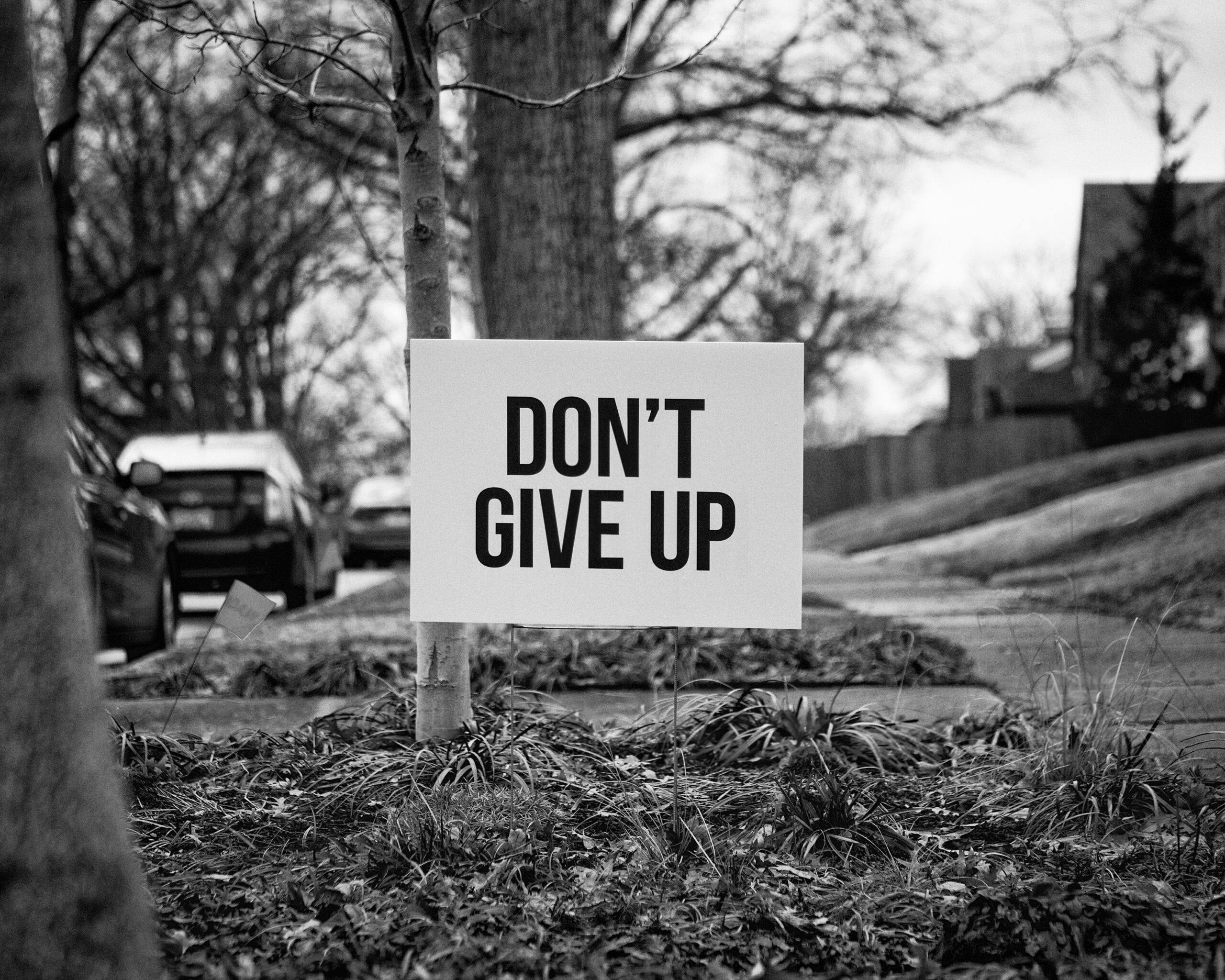
In the midst of it all this sacredness, I found myself hearing new voices. Though I think I generally come across as a “nice guy,” I do have a few radical bones in my body. Having been a community organizer in SE Chicago for a time, I found myself drawn to peace and justice work. We started hosting peace conferences at the church and I began going to the US Mexico border to learn about immigration issues. I took students to Nagasaki to learn about U.S. militarism. One afternoon in 2001 when I was pushing my kids in strollers during peace marches leading up to the war in Iraq, I sensed a growing interest in how people work together to create social change and advocate for social justice. Something new seemed to be stirring in me.
Sociology, I had learned, was a good place for aspiring radicals and I had heard good things about the graduate program at the University of Oregon. Students had occupied the administration building during the Vietnam war. They sent contingents north for the “Battle in Seattle” which shut down the World Trade Organization meetings in 1999. Eugene was a hotbed for the Earth Liberation Front movement whose radical tactics were used to stop logging of old-growth forests and got many of them convicted on federal domestic terrorism charges. Though I didn’t see myself going quiet that far, I appreciated their courageous dedication.
One of the most interesting program credentials that wooed me to the University of Oregon appeared in 2006 when John Bellamy Foster, a professor in the sociology program and one of the world’s leading Marxist theorists, was listed by David Horowitz as one of 101 most dangerous academics in the country. Despite the book’s numerous inadequacies, the prospect of joining a department with a “dangerous professor” was enough to convince me that I had to take a class with this guy.
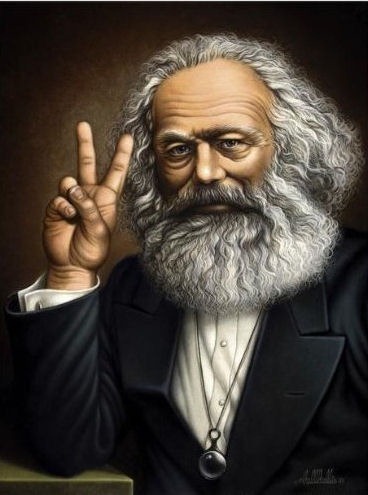
My office ended up being across the hall from John’s and I enjoyed some lengthy conversations with him and seven other doctoral students who took social theory our first year. It was here that I was first introduced to Karl Marx, the German philosopher, economist, sociologist, and revolutionary socialist who is best known for his criticism of capitalism, formulation of communism, and some notorious thoughts about religion that, as a former pastor, I wrestled with quite a bit. One of Marx’s most frequently cited writings about religion was penned in 1844 and reads…
Religion is the sigh of the oppressed creature, the heart of a heartless world, and the soul of soulless conditions. It is the opium of the people. The abolition of religion as the illusory happiness of the people is the demand for their real happiness.
Karl Marx. 1844. A contribution to the critique of Hegel’s Philosophy of right
Although I am only a novice interpreter, I understand Marx’s criticism of religion as based on his hope for a just and equitable world and his observation that religion is all too often the opiate that whisks people away into spiritual never-never-land; seeking a happy life after death as a way to ignore the hard realities of injustice that people face every day. Therefore, concludes Marx, religion must be abolished because it is an illusion that interferes with people’s true liberation and happiness.
People of faith may not like to hear what he has to say, but sometimes life-changing discoveries come when we allow ourselves to hear what we might first despise. Religion…an opiate? The implication is that faith, like heroin or cocaine, dulls the senses, disconnects us from the realities of life, floats us away into the sky leaving us unable to really see, love, serve, or work for justice in our homes, communities, or around the world.


I know people who use religion as a drug to escape the hard work of facing our fears, tending to troubled relationships, or tackling the world’s most complex problems. I am regularly embarrassed by those theological perspectives that seem more interested in distracting people or downplaying the urgency of domestic violence, racial injustice, or income inequality. No wonder the fastest growing segment of religious affiliation in the US is “non-affiliated.”
Now, I do have some issues with Marx’s criticism of religion. First, it seems that he assumes that an elimination of religion will necessarily leave behind a better world. But, it does not take a PhD in sociology to figure out that without religion, most societies still offer plenty of other political and ideological distractions. Second, it sometimes strikes non-Marxist outsiders as ironic how many Marxists treat Marxism with an almost religious fervor. Finally, Marx seems to argue that all forms of religion are necessarily hallucinogenic. That there is no such thing as a liberational or justice oriented perspective of faith. As a former pastor studying Marxism, I found myself longing for a different way to frame Marx’s criticism of faith.
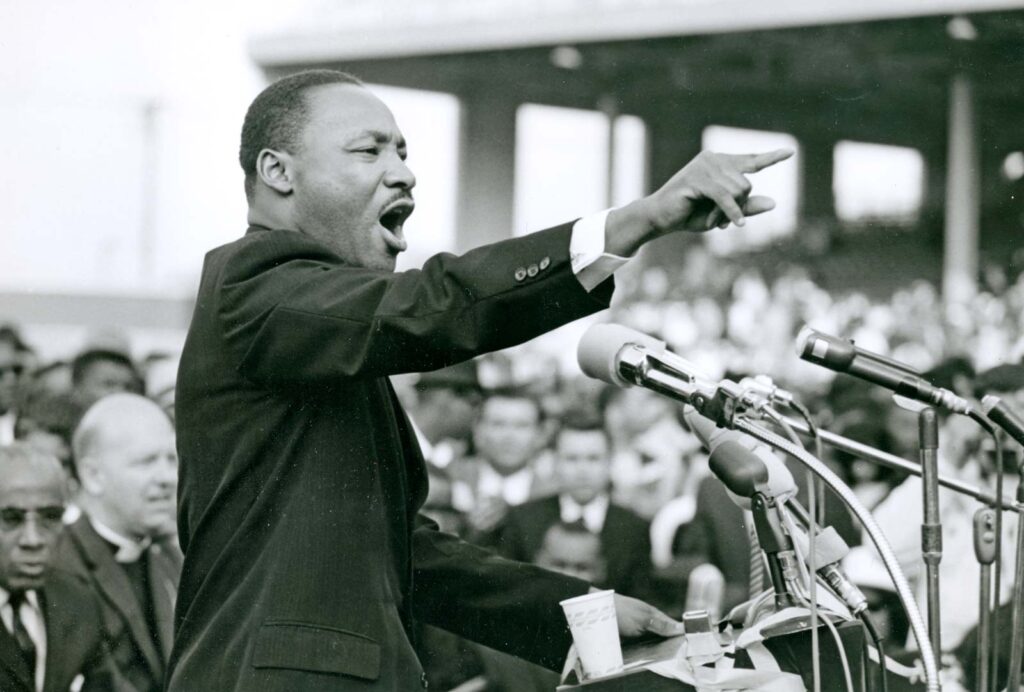
Thankfully, others have tackled this same question. One who many of us are familiar with is Dr. Martin Luther King Jr. who reflected in his 1967 speech Beyond Vietnam: A Time to Break Silence that “The war in Vietnam is but a but a symptom of a far deeper malady within the American spirit…” He was convinced that,
if we are to get on the right side of the world revolution, we as a nation must undergo a radical revolution of values. We must rapidly begin the shift from a “thing-oriented” society to a “person-oriented” society. When machines and computers, profit motives and property rights are considered more important than people, the giant triplets of racism, materialism and militarism are incapable of being conquered.
dr. Martin Luther King Jr. 1967. Beyond Vietnam: A time to Break silence
It seems to me that King is observing that aside from Marx’s criticism of religion, we are already addicted. We have been vaping the fumes of racism since our nation’s inception and take regular hits of Amazon-fueled materialist methanphines. We are a deeply addicted people says King. Racism, materialism, and militarism are injected into our veins by choice and by design. But here, Dr. King seems to suggest a new way to frame faith. Contrary to Marx’s suggestion that religion distracts us from the pain of the world, King seems to suggest that religion might be an antidote.


So it would seem that on the one hand, Marx is absolutely right – religion can become our distraction, our escape, our heavenly excuse for doing nothing. Even worse, religion can become a rationale for supporting the worst intolerance, justification for violence, or vicious public policies. On the other hand, Dr. King is also right…that religion, done well, could help us find a way out of these addictions.
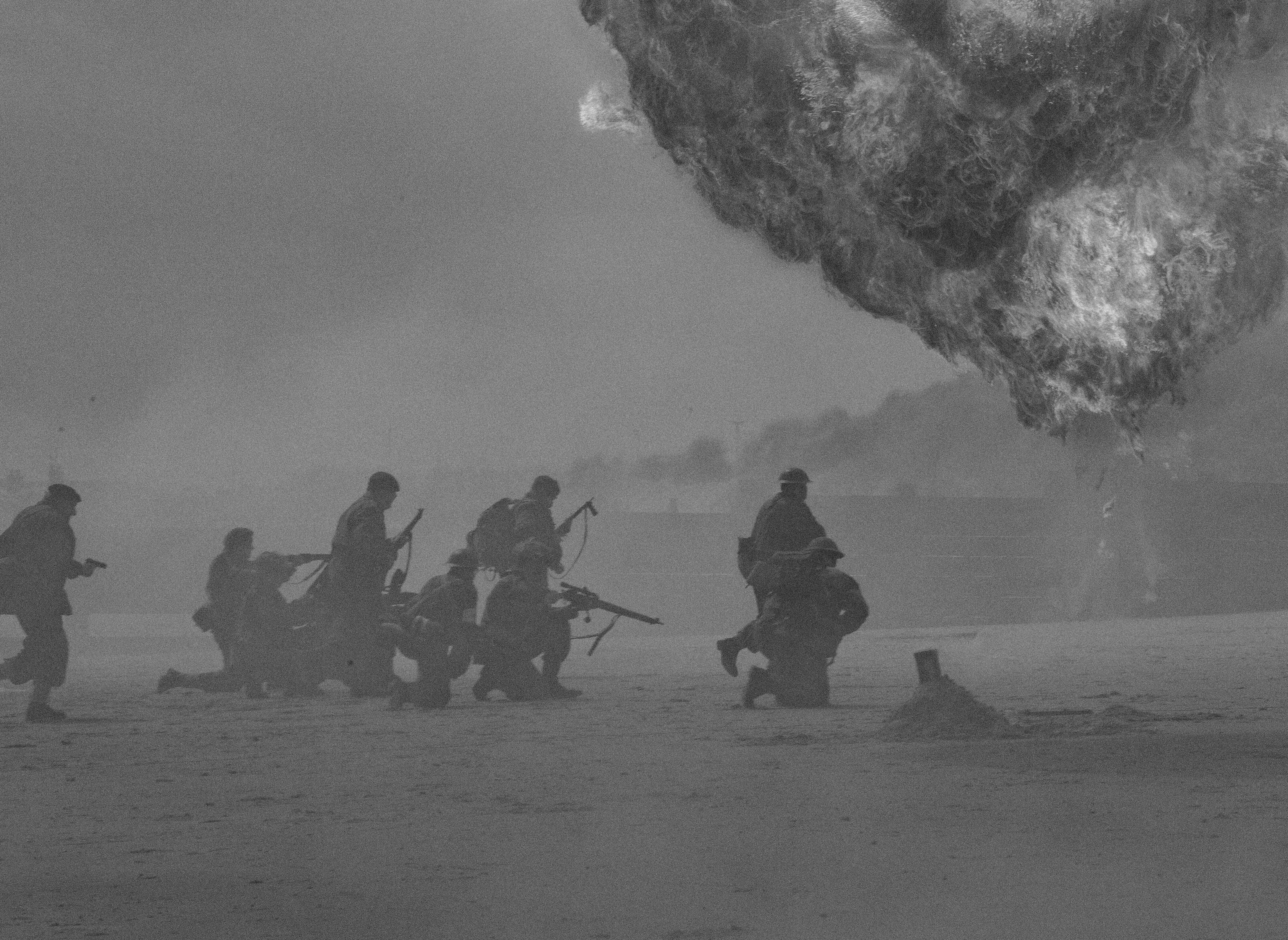
What does religion-done-well look like? It looks like first responders running toward the fire when everyone else is running away. Religion-done-well engages.
What does religion-done-well look like? Although I am far from a religious scholar, I sense at least one essential hallmark is a commitment to resist escapism. Like first responders running toward the fire when everyone else is running away, religion-done-well engages in peace and justice-making. I get excited by this engagement when I catch glimpses of faith as a vaccination against violence. When students, faculty, and staff gather to discuss the impact of racism in our communities. When clubs and groups of students ask how we can make our campus a safer place. When faith communities and their leaders march in the streets, develop social media campaigns, and talk frankly with their families about the injustice they see. When people from all faith and non-faith perspectives muster the courage to not stay quiet. If you are looking for organizations running toward the fire…check out this post.
I suspect Martin and Marx would be excited too. I also suspect that amidst a lively conversation with plenty of disagreement I think there is one topic on which they would agree…that the world needs more people who resist the temptation to understand faith as an escape, but instead, as a call to the hard work of justice building, peace-making, and reconciliation.
rainonrocks.com explores the connection between spirituality and social justice and inspires readers to reach deep and get involved. Matt blogs about spiritual meanderings, social action, and courageous voices who think creating a better world is worth the effort. Contact Matt about speaking or workshop opportunities. See the Services section for more information. Subscribe, share with your friends, and suggest topics or people you’d like to get to know.